Our Annual Conference 2026 took place on 25-26 June 2026 at De Werelt, Lunteren. To get an impression of the event, have a look at the summary and visuals below.
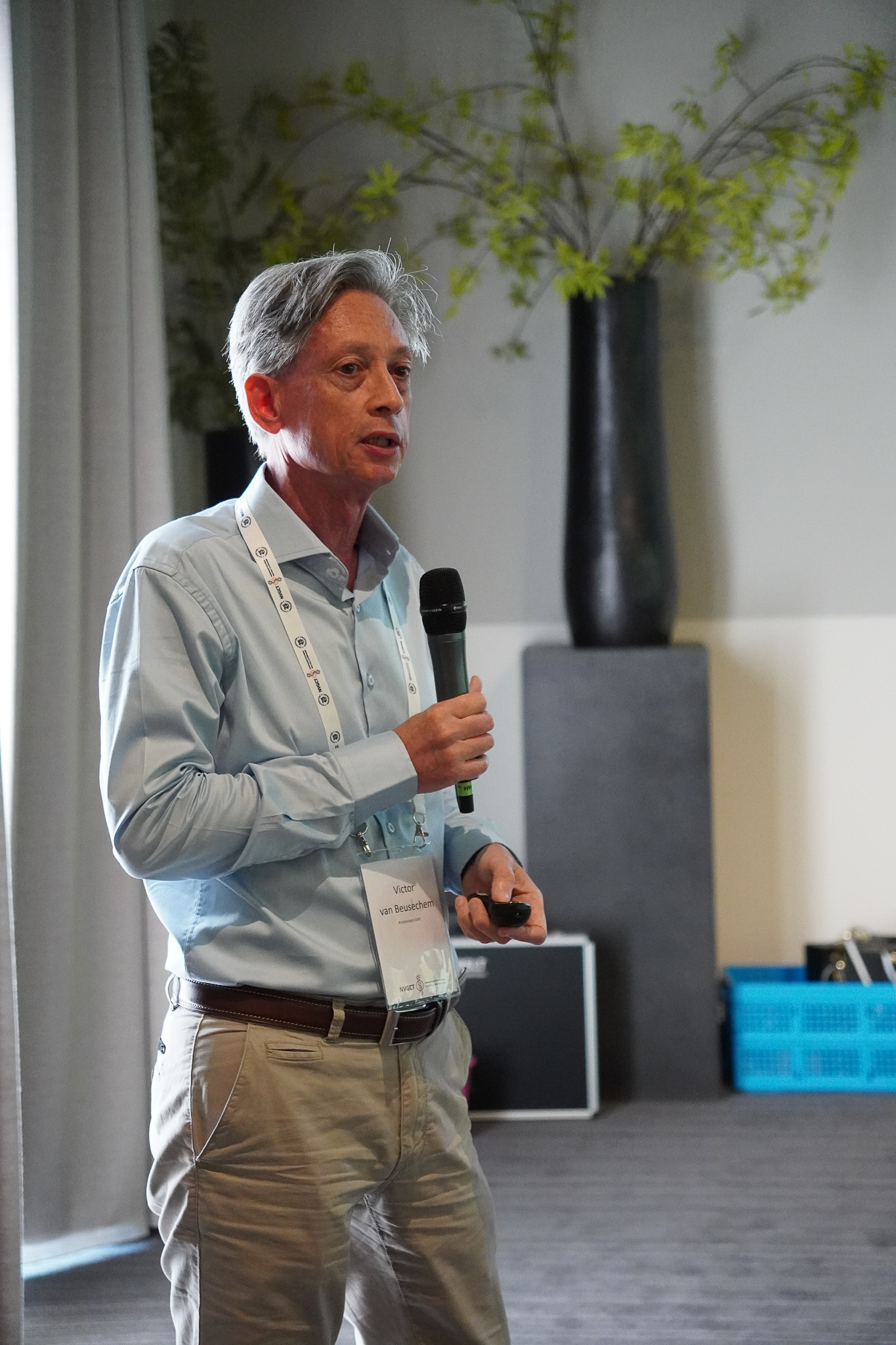
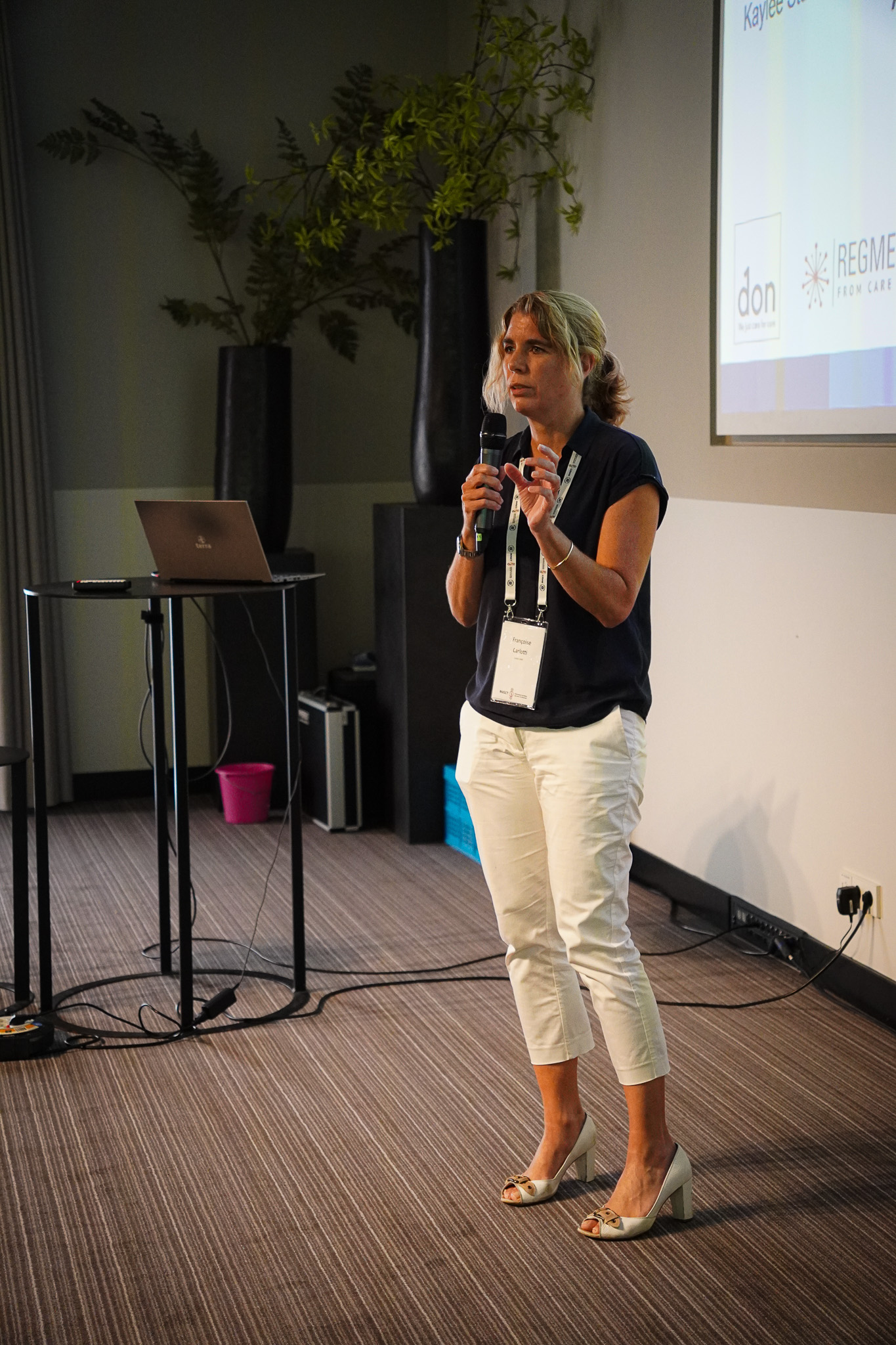
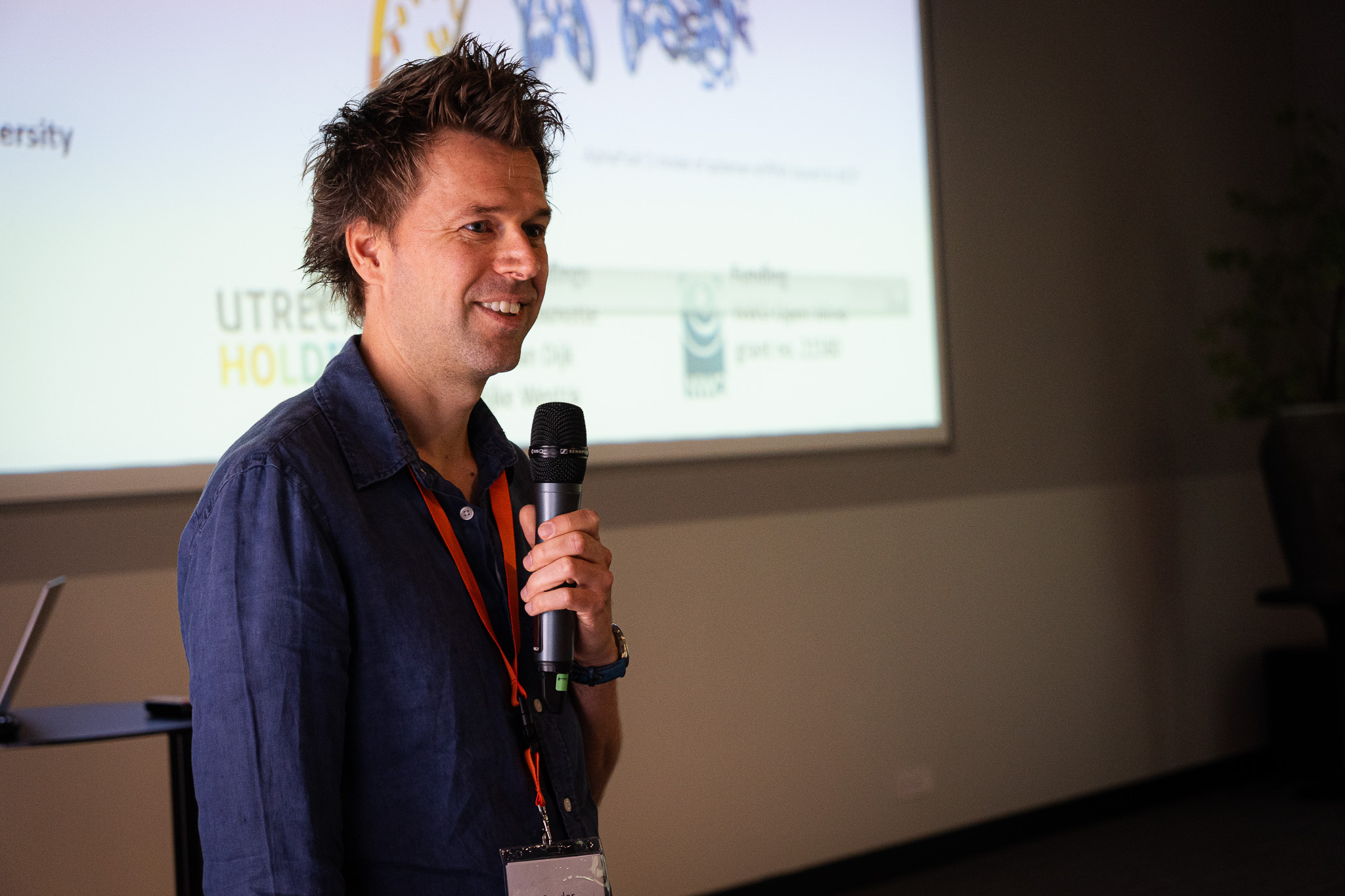
The conference was officially opened by the NVGCT president, Prof. dr. Victor van Beusechem. The first scientific session, chaired by Massimiliano Caiazzo, focused on Stem Cells & Gene Editing. The session featured invited presentations by Françoise Carlotti (LUMC), who discussed next-generation beta cell replacement therapy for type 1 diabetes, and Sander Kooijmans (UMC Utrecht), who presented advances in shRNA modification to improve siRNA delivery by biological vectors. Selected talks by Maaike Lenderink and Eveline Ilcken (both UMC Utrecht) highlighted innovative preclinical strategies for scalable in vivo gene correction of inherited metabolic diseases and high-throughput prime editing screens.
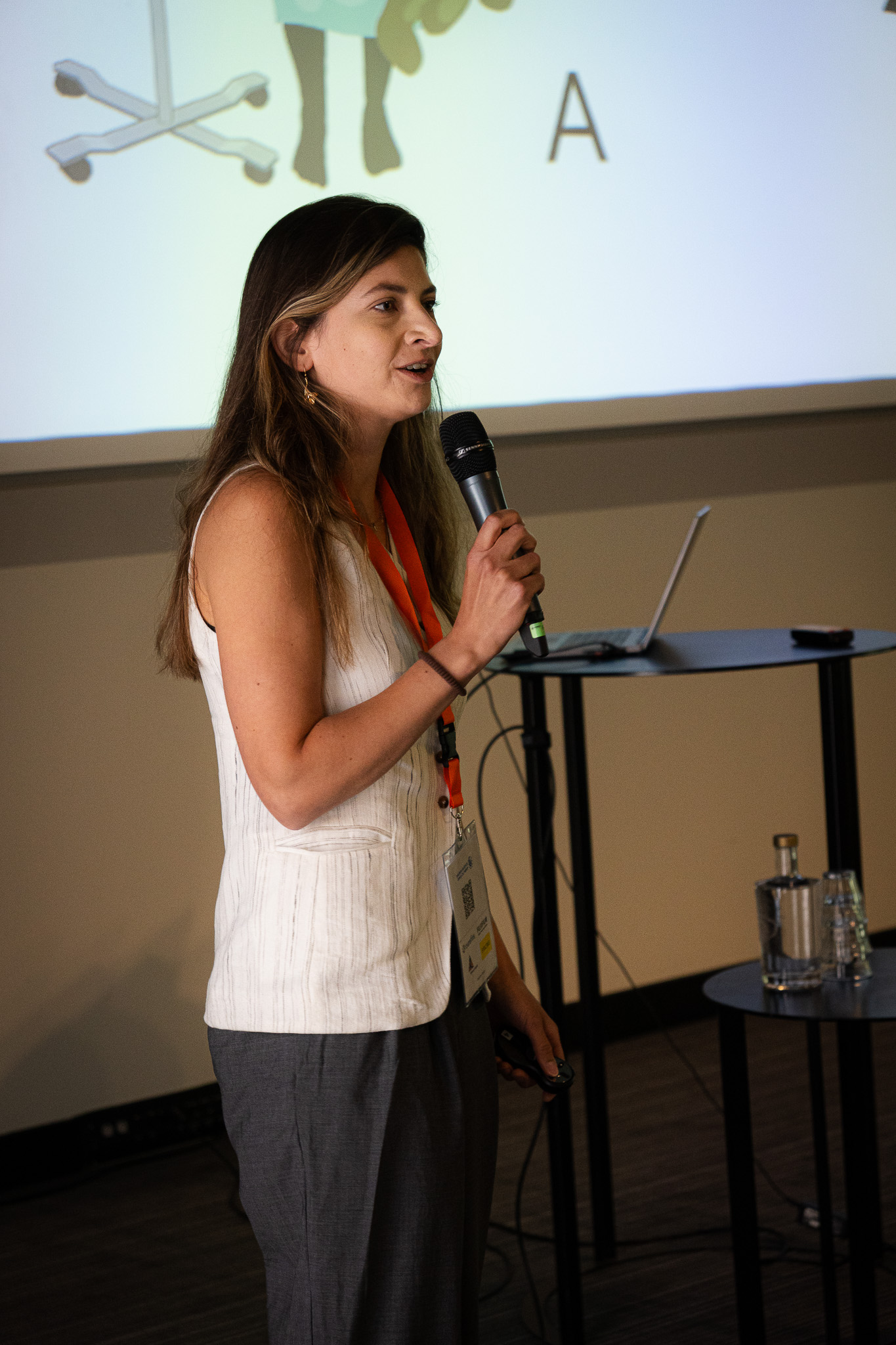
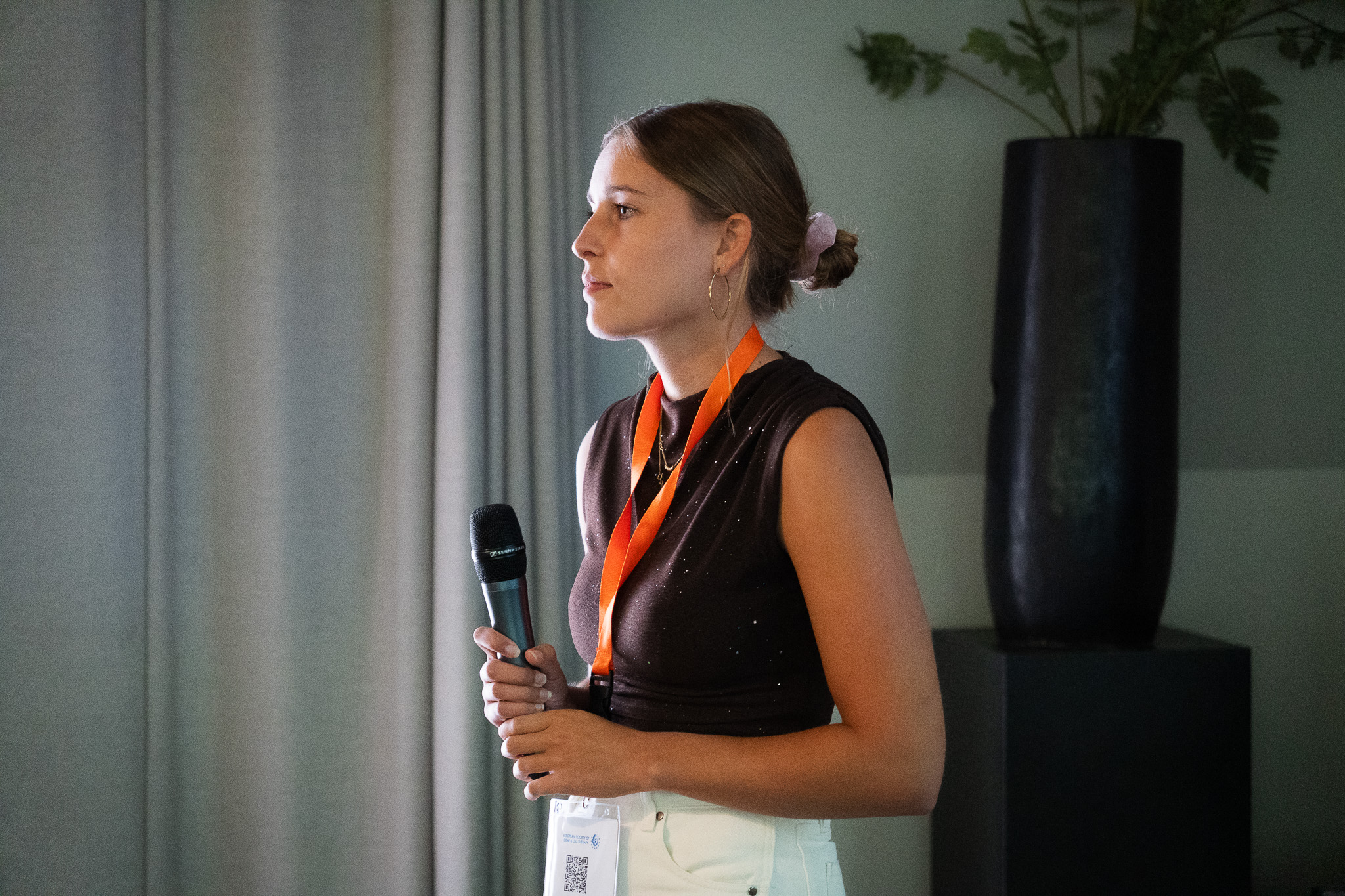
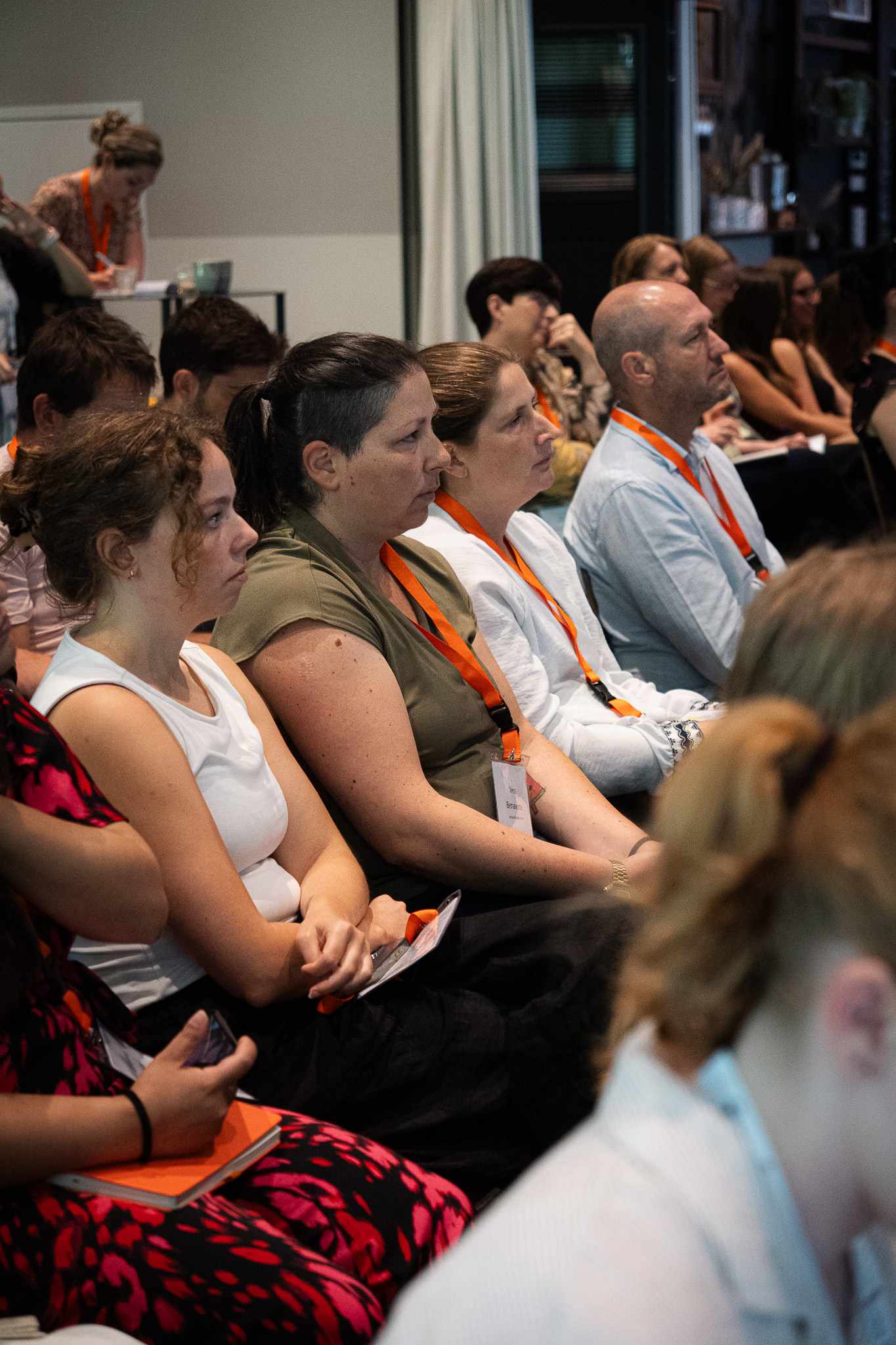
Following a coffee break, representatives from the sponsor companies Eurofins, Fujifilm Europe, Miltenyi Biotec, and Sartorius introduced their products and services during a series of exhibitor pitches, encouraging further discussions with attendees throughout the day.
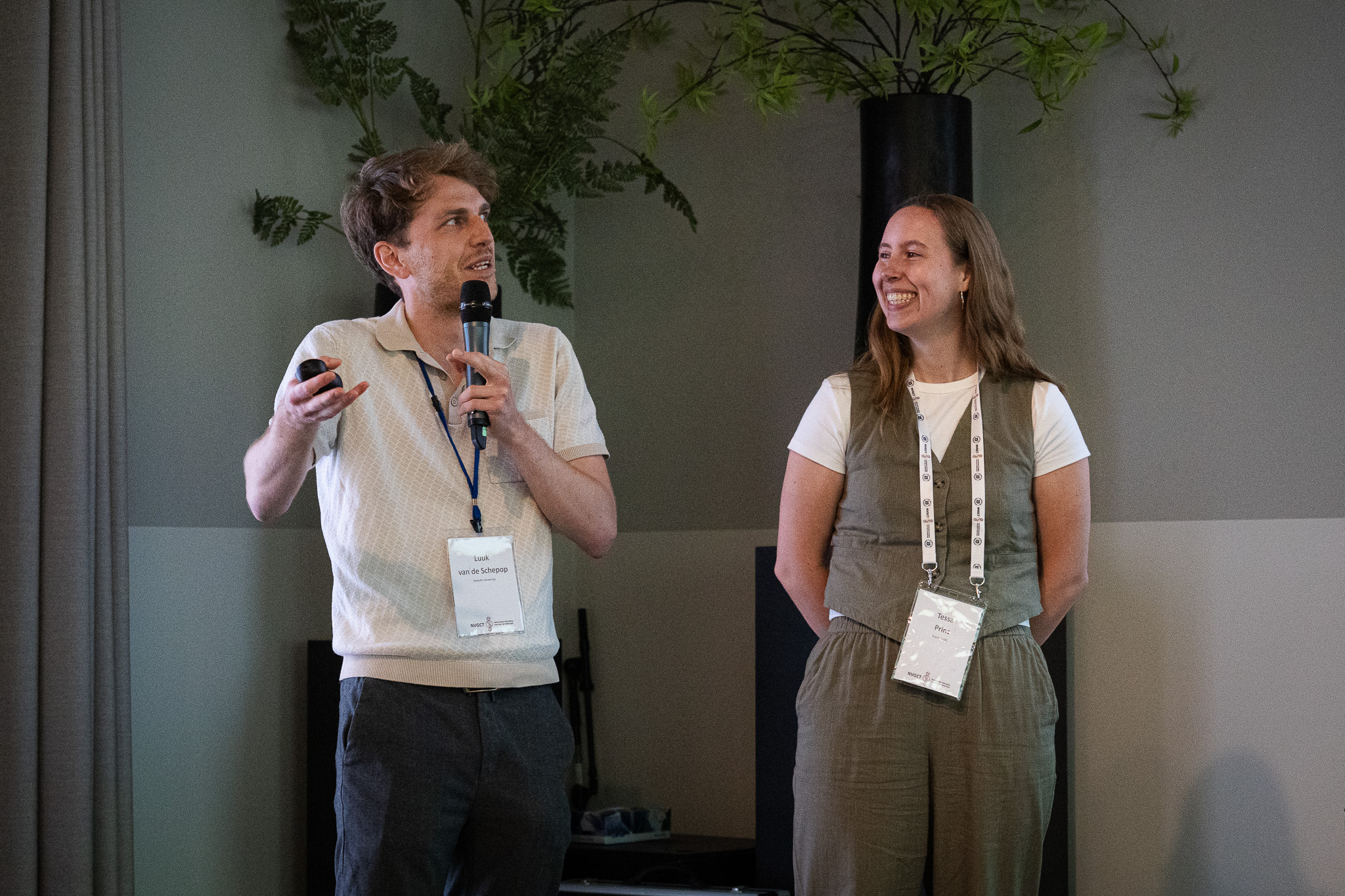
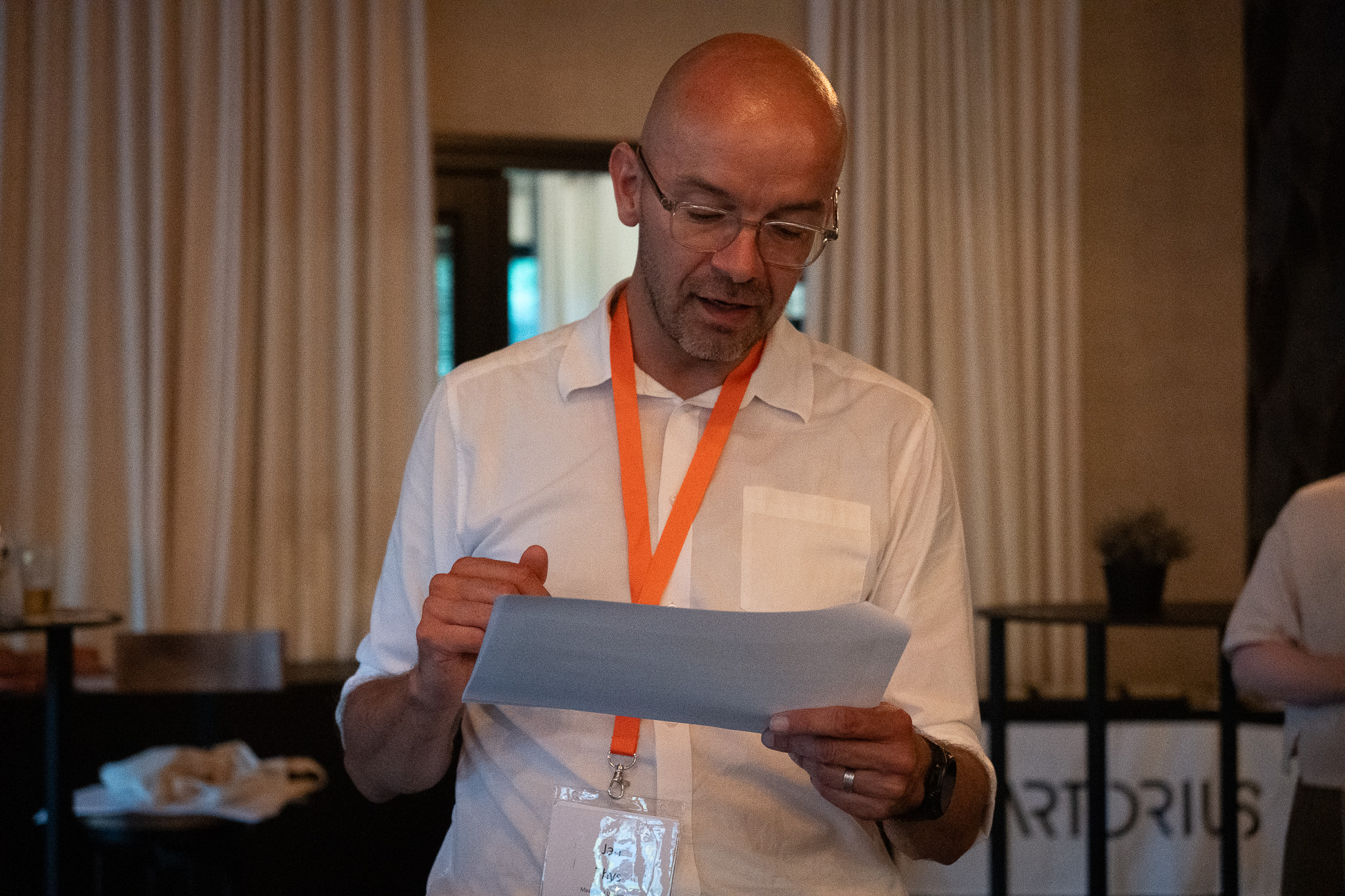
The first part of the ZonMw Young Investigator SpeedDate Challenge, chaired by Dr. Jan Theys, followed. The winners of the 2025 edition, Tessa Prins (ExoVectory) and Luuk van de Schepop (UU) (also on behalf of Despoina Trasanidou, Sanquin), reflected on their experiences after receiving the award and shared how it had contributed to their professional development and collaborative research activities in developing a CD117-targeting EV to deliver therapeutic cargo to hematopoietic stem cells.
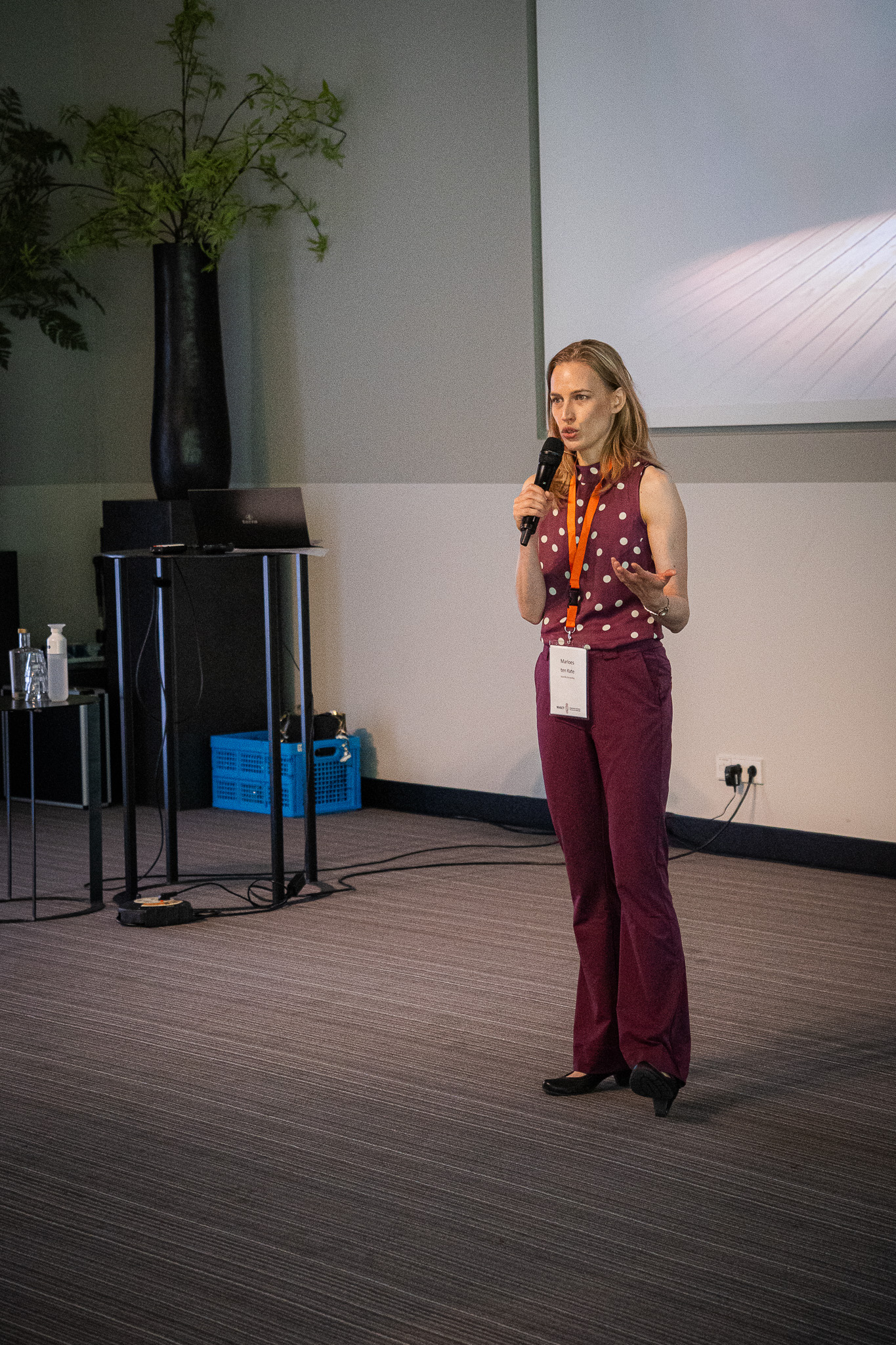
Next, the symposium featured an interactive storytelling workshop led by Marloes ten Kate (Take the Stage). In her presentation, Pitch Perfect, she provided practical guidance on effective scientific communication and demonstrated how researchers can deliver compelling and engaging presentations.
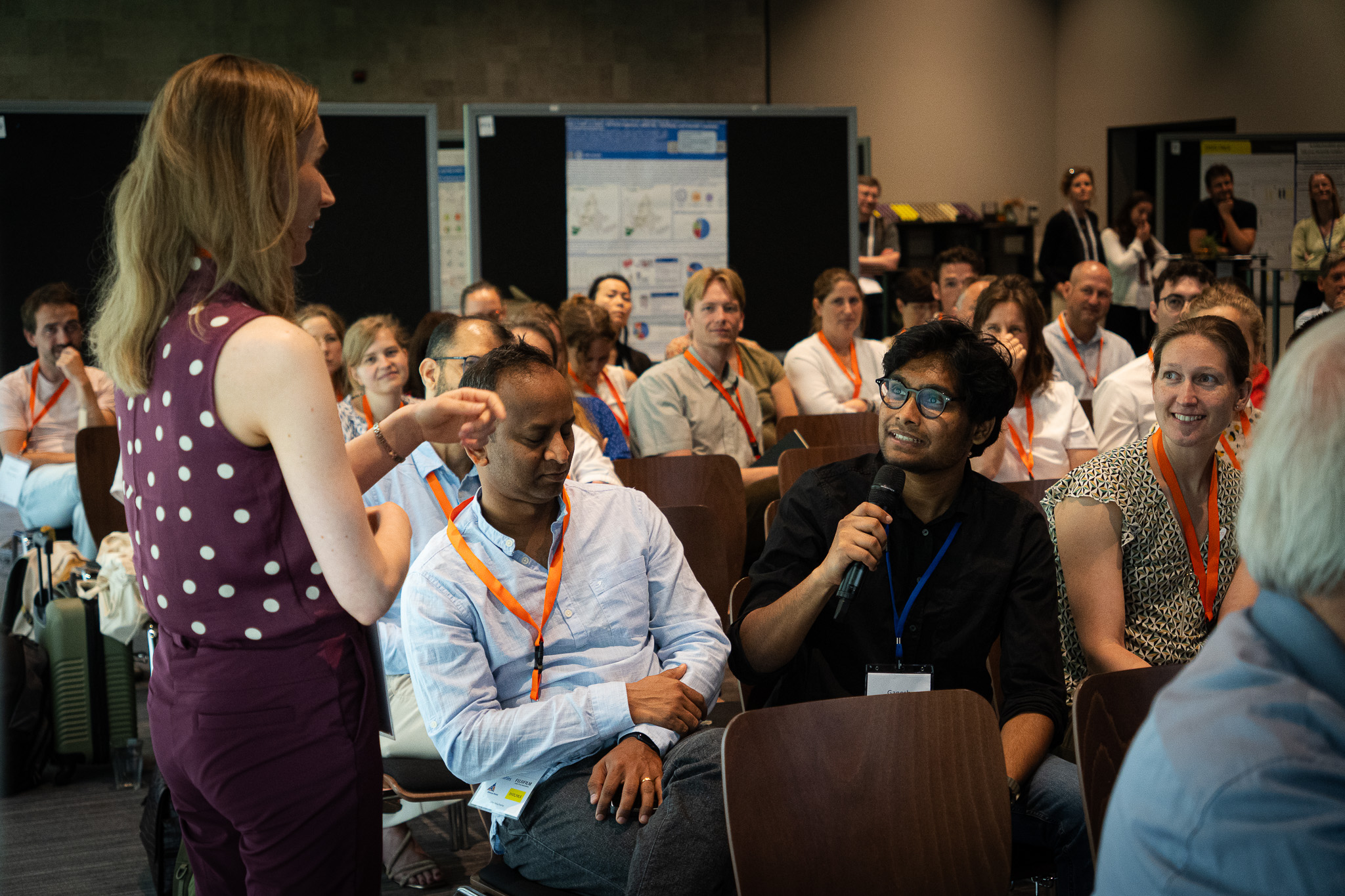
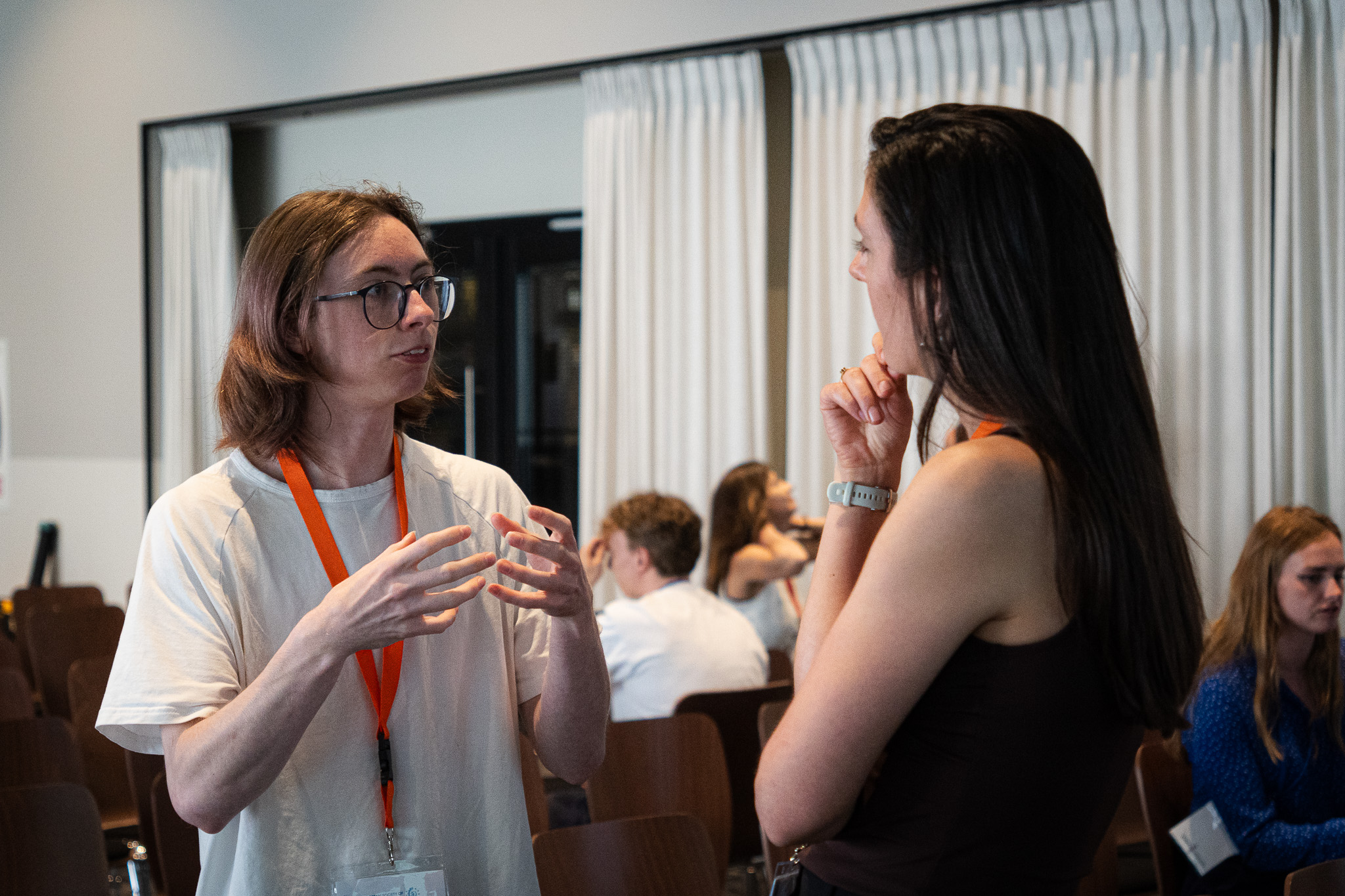
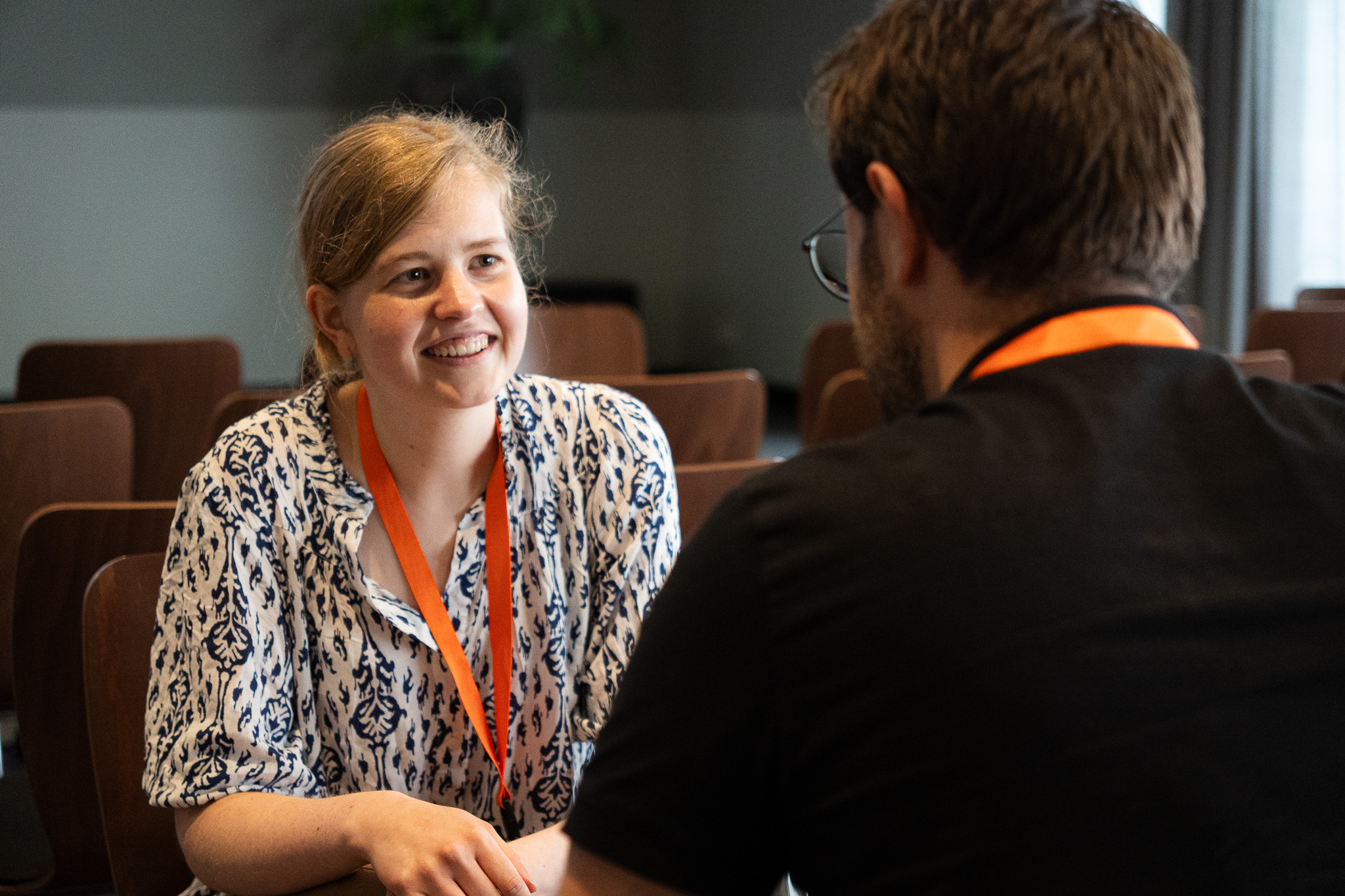
After a tasty lunch, the one-and-only ZonMw Early-Career Investigator Speed Date Challenge was introduced by Dr. Jan Theys. This challenge offered a unique opportunity for young researchers to jointly write a research proposal, and win 5000€ to execute the project and/or attend an international conference. Tomorrow, the finalists will be announced, and they will pitch their proposals in an attempt to win the award.
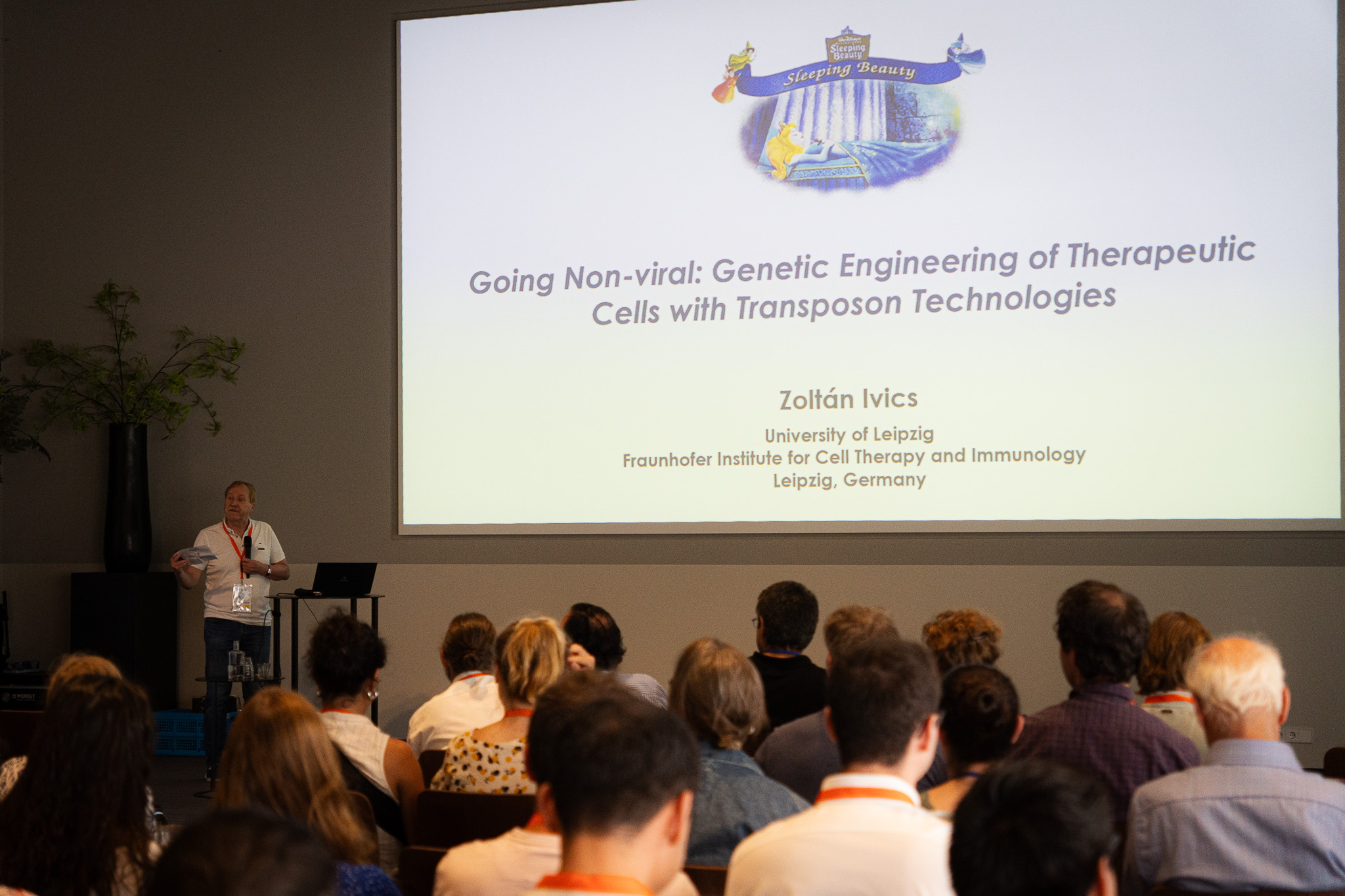
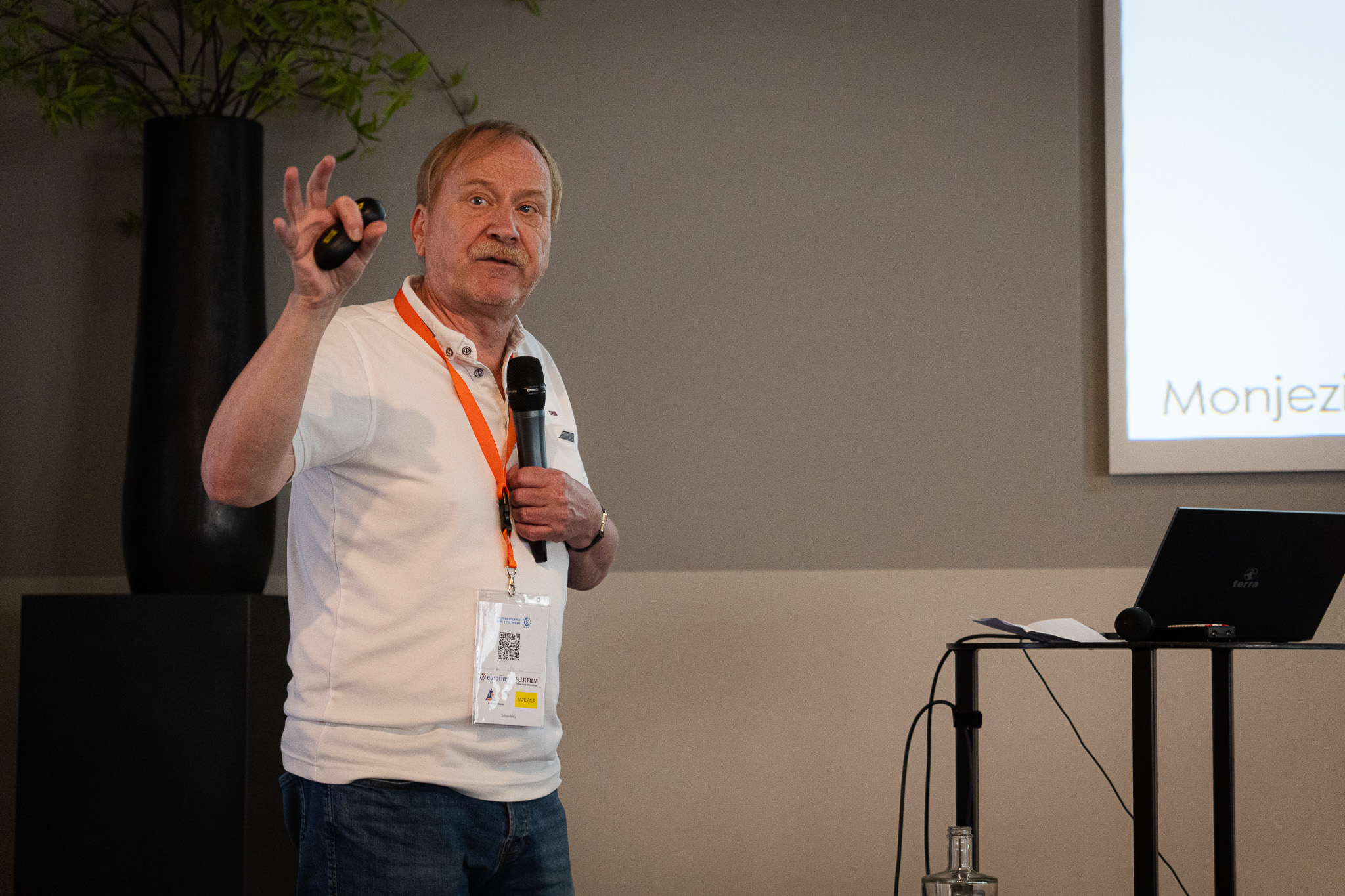
After the final coffee break, the closing keynote lecture was given by Zoltan Ivics (University of Leipzig, Germany). He presented the Sleeping Beauty transposon system as a non-viral platform for genetic engineering of therapeutic cells, highlighting its application in a Phase 1 CAR-T cell clinical trial. He gave an overview of his extensive and impactful work in the field, and outlined ongoing efforts to further improve its safety and broaden its therapeutic applications.
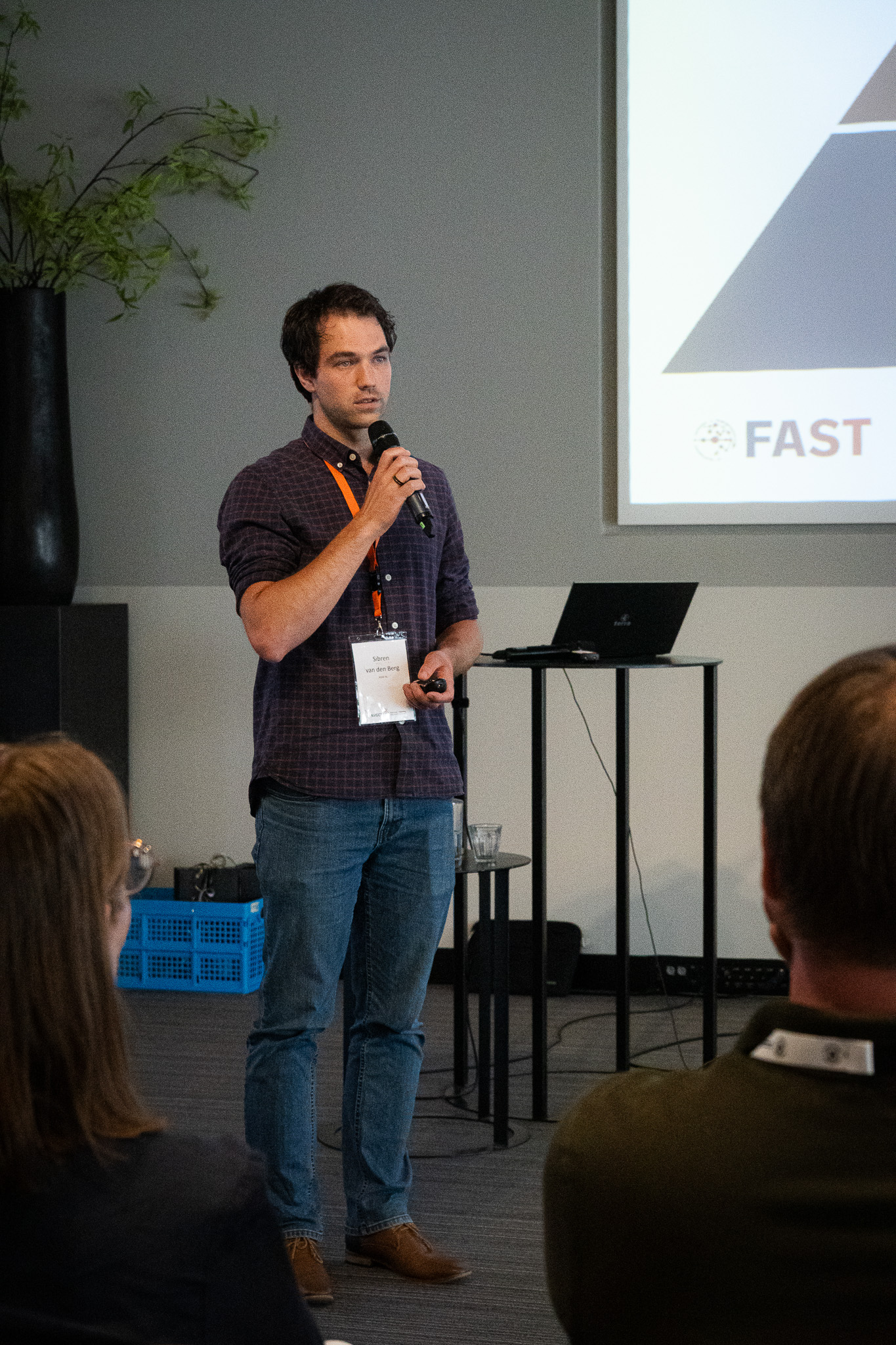
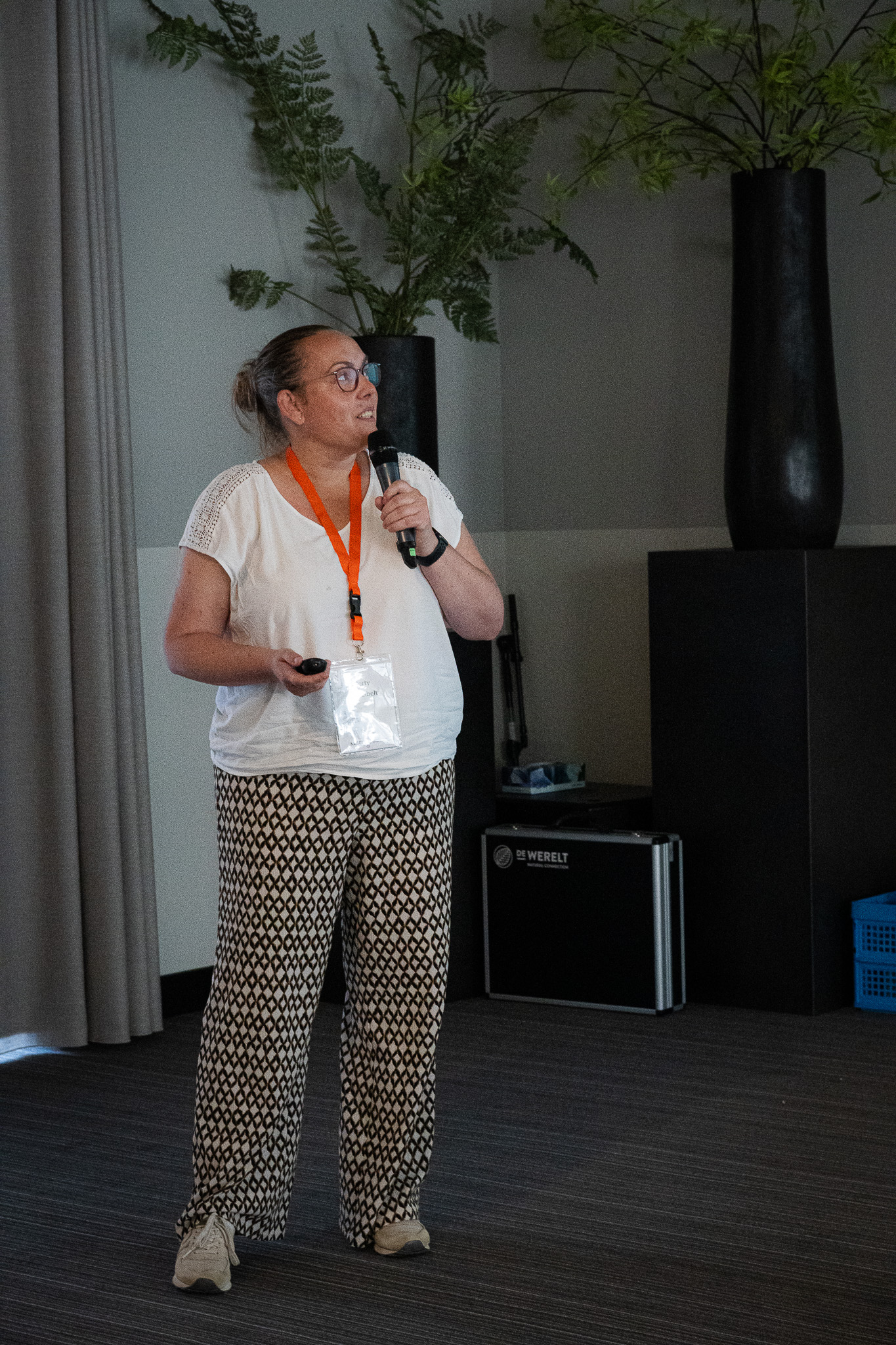
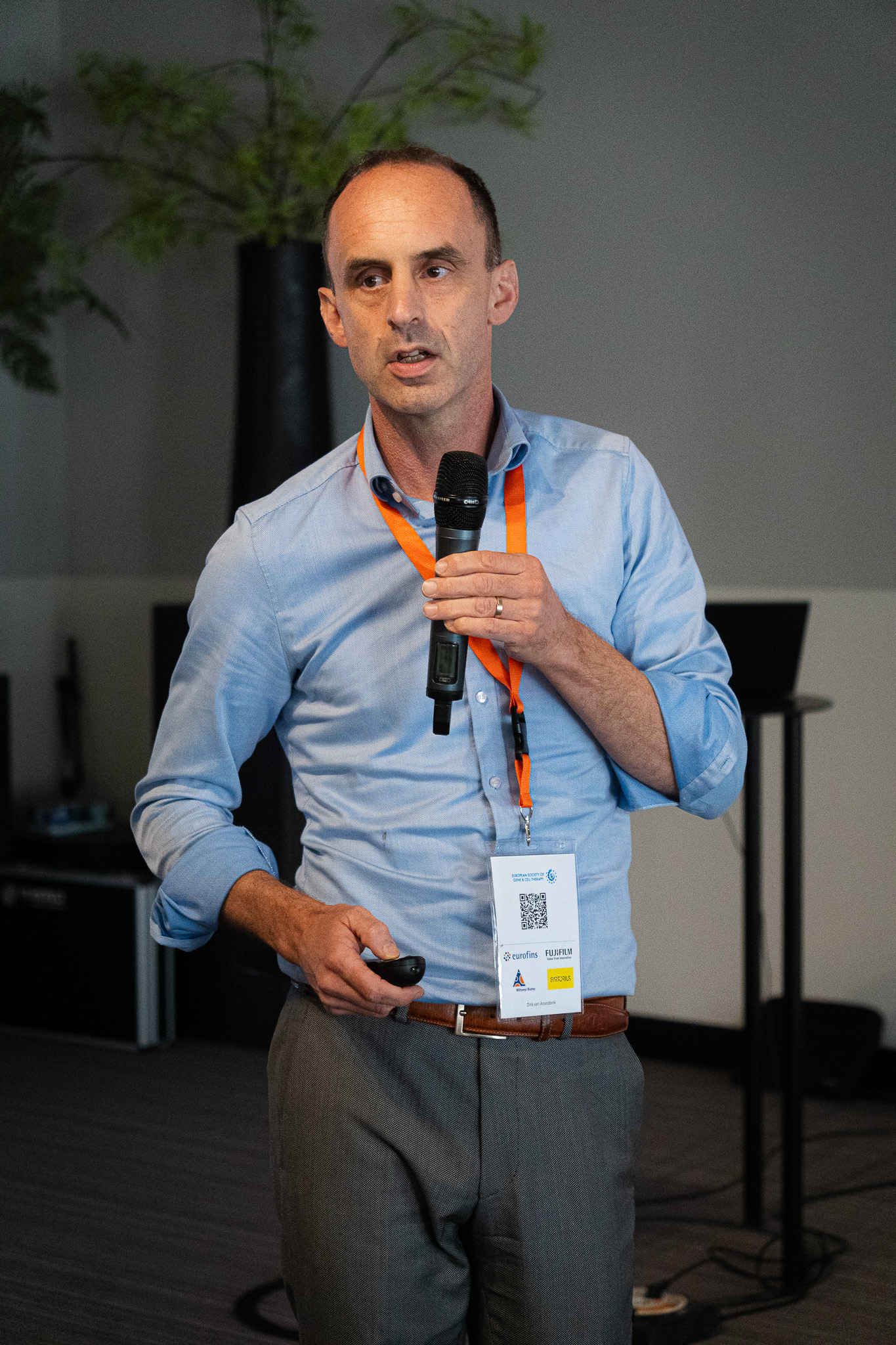
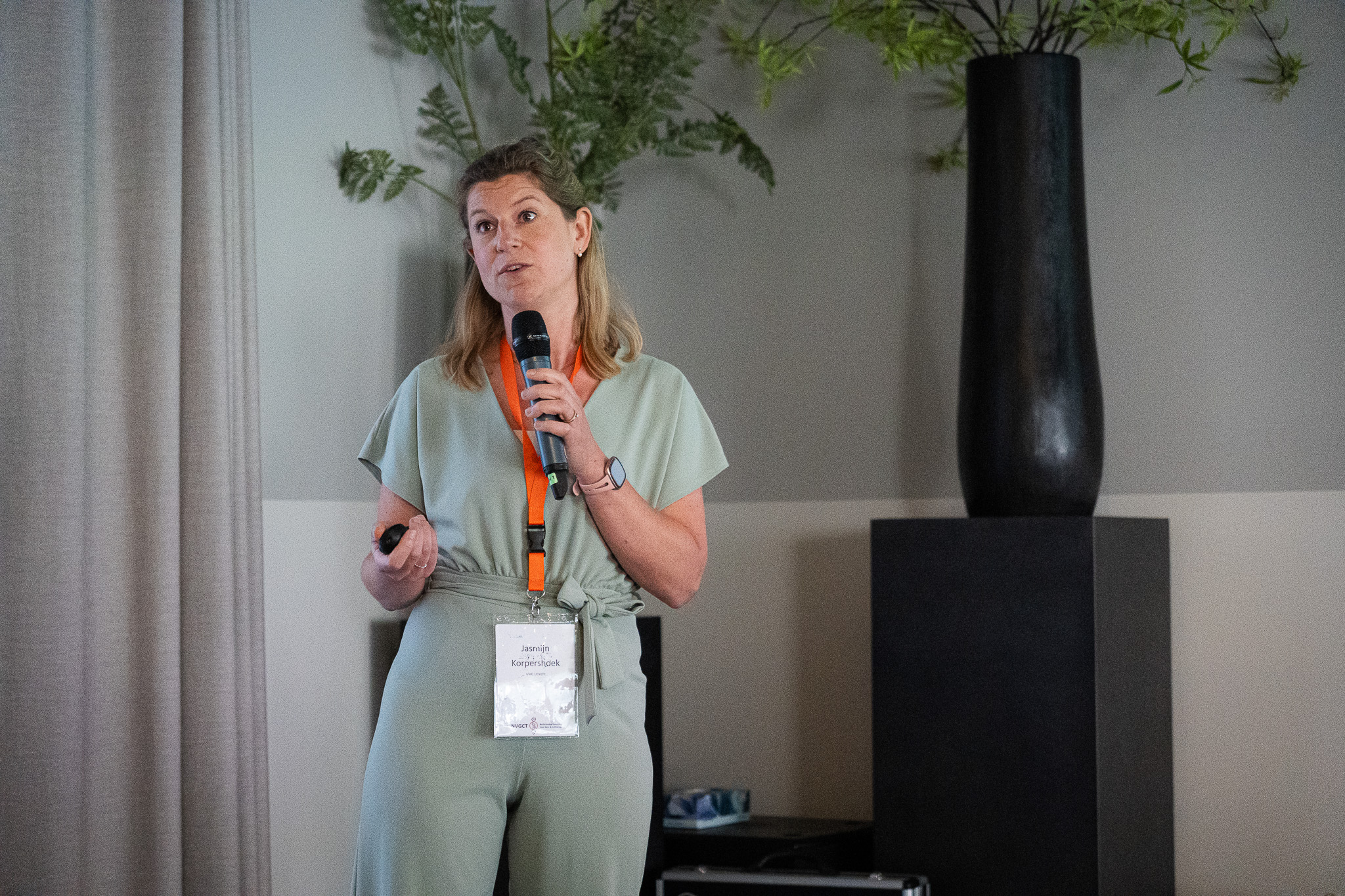
Following another coffee break, the second scientific session (chaired by Karien de Rooij) focused on RARE-NL – A Platform for Rare Diseases. Sibren van den Berg and Mike Broeders introduced the complementary initiatives RARE-NL and ATMP-NL, highlighting their efforts to strengthen collaboration and improve the accessibility of advanced therapies for rare diseases. Gerty Schreibelt, also on behalf of Renée Raaijmakers (Radboudumc), presented progress on genetically corrected pericyte therapy for myotonic dystrophy. Dirk van Asseldonk (LentiCure) discussed the challenges of developing affordable lentiviral gene therapies for rare diseases through a publicly governed social enterprise, while Jasmijn Korpershoek (UMC Utrecht) concluded the session with the IMPACT project, combining autologous chondrons and allogeneic mesenchymal stromal cells for cartilage repair.
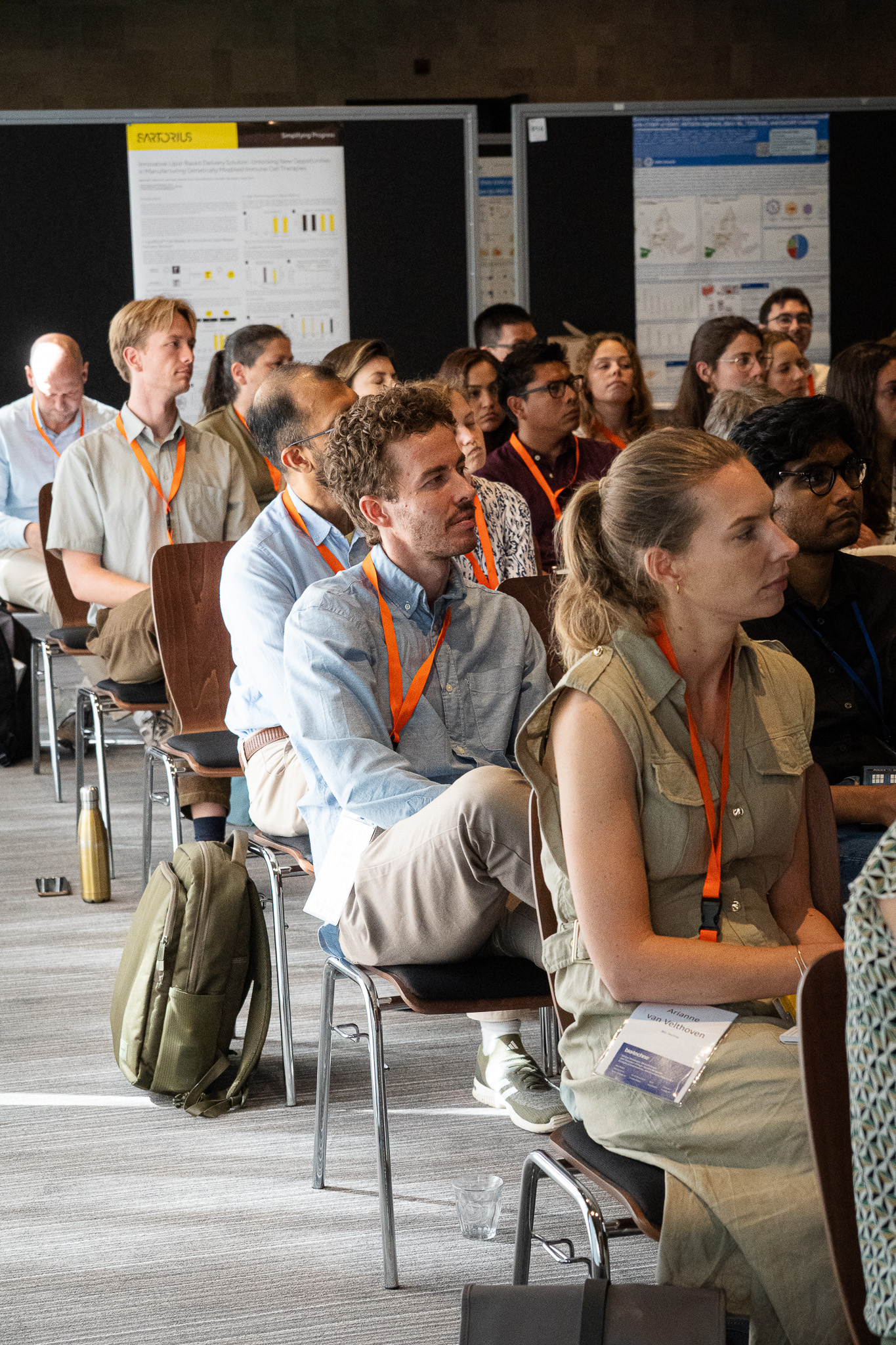
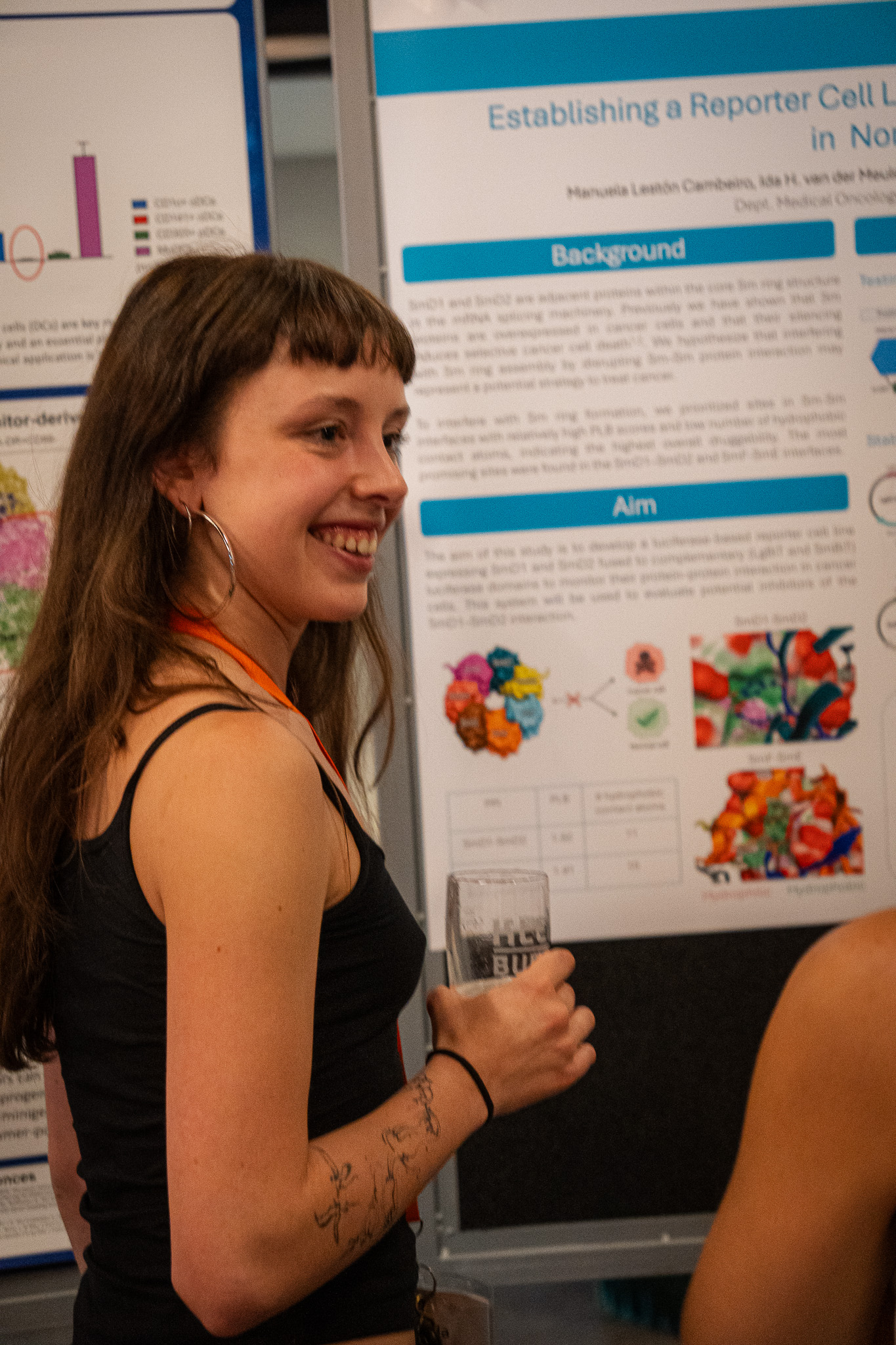
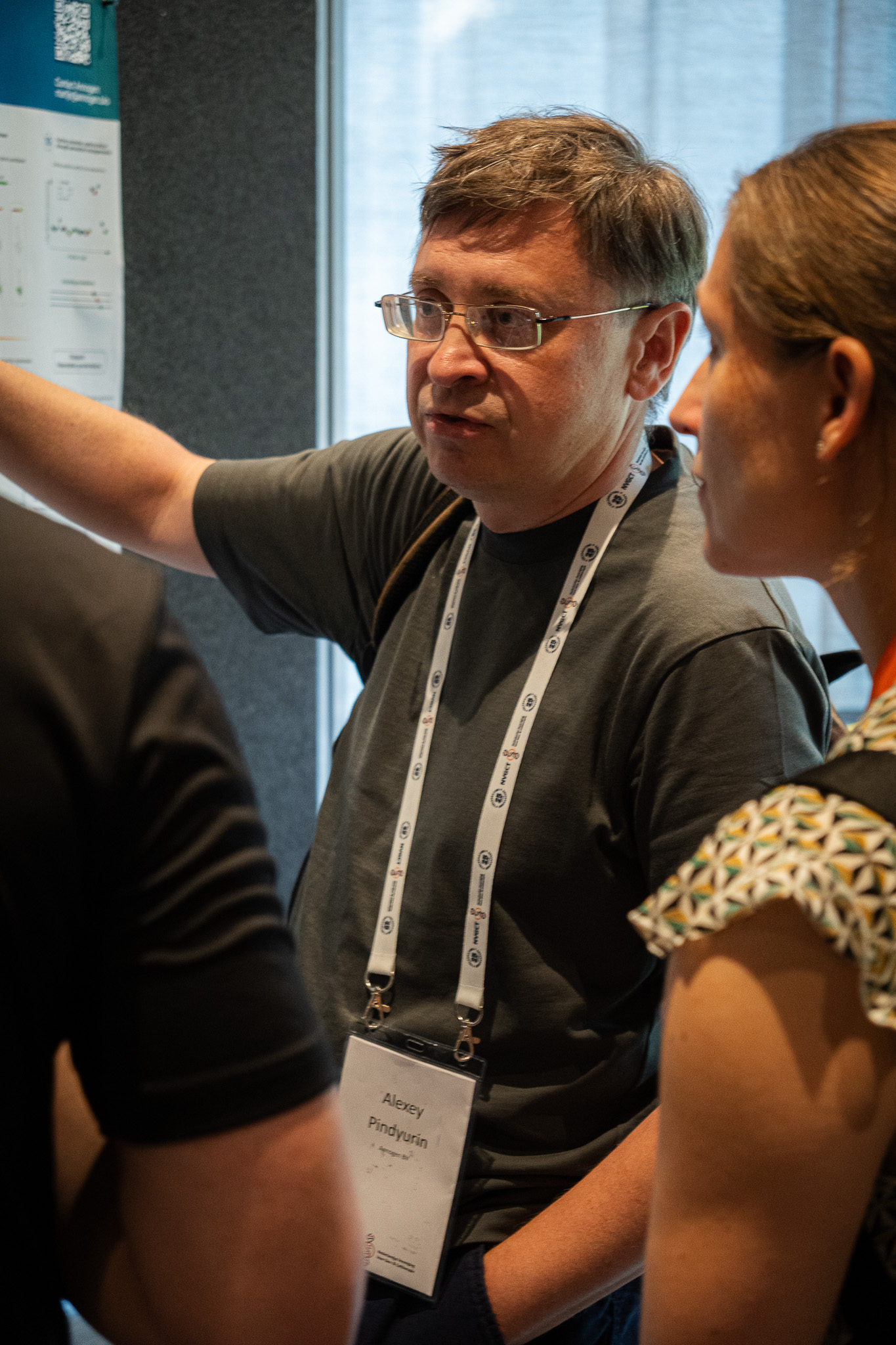
Hereafter, we had our General Assembly, where updates were given about the activities of our board and committees, as well as our finances. The afternoon was finished by a Poster session, accompanied by drinks.
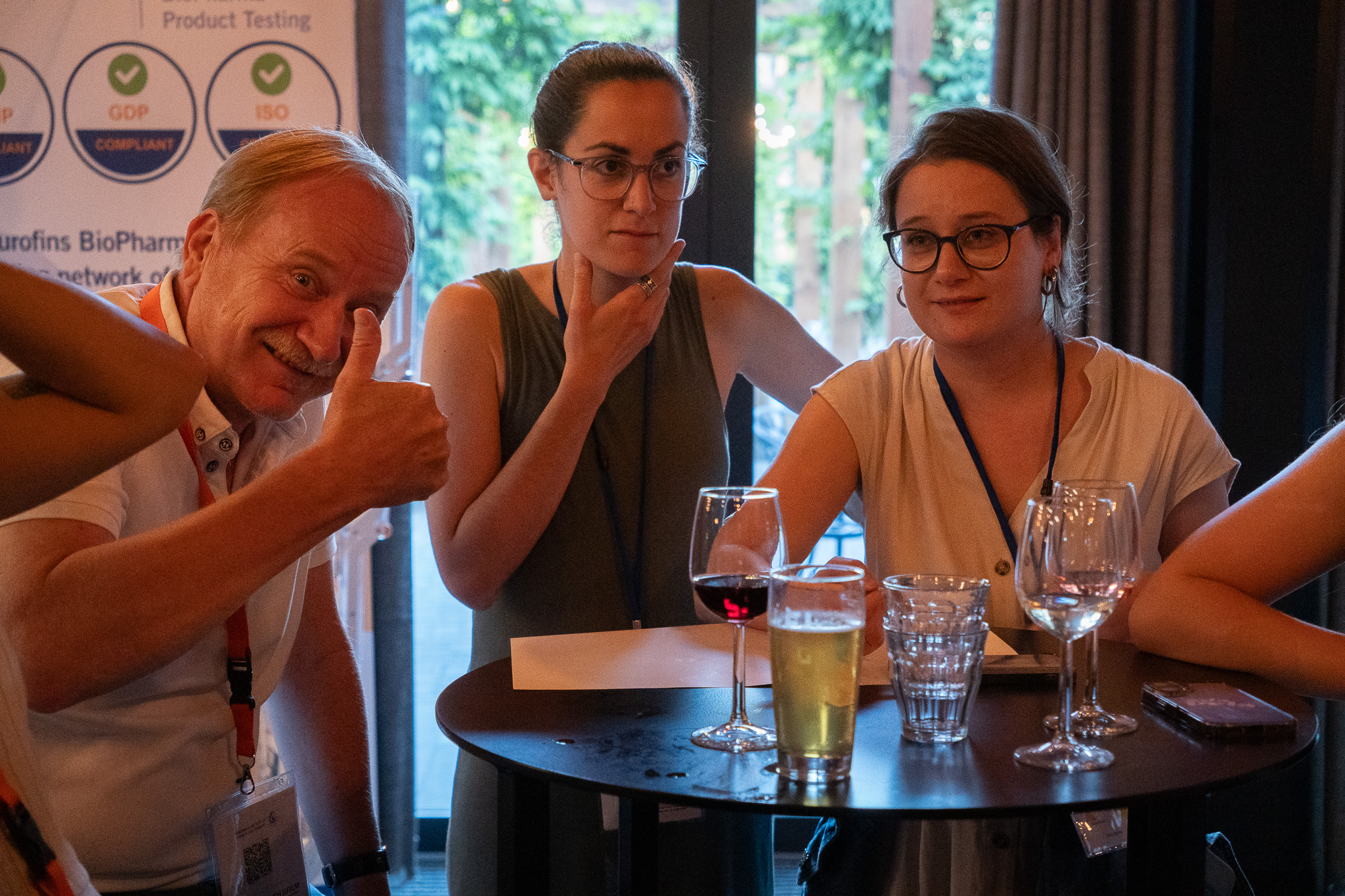
After a sunny (slightly warm) and delicious BBQ dinner, the day ended with our famous NVGCT pub quiz, this year led by Quizmaster Dr. Jan Theys.
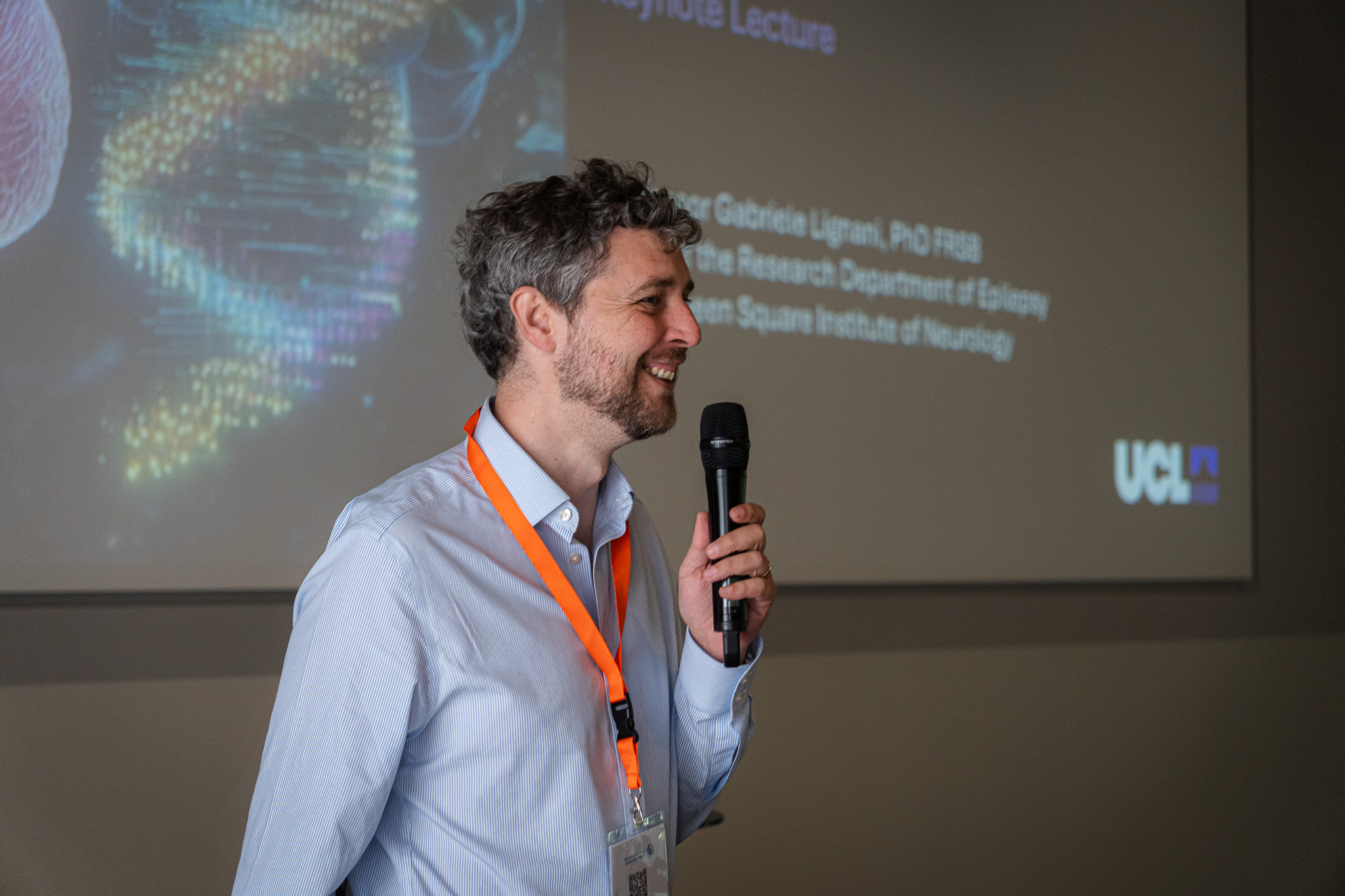
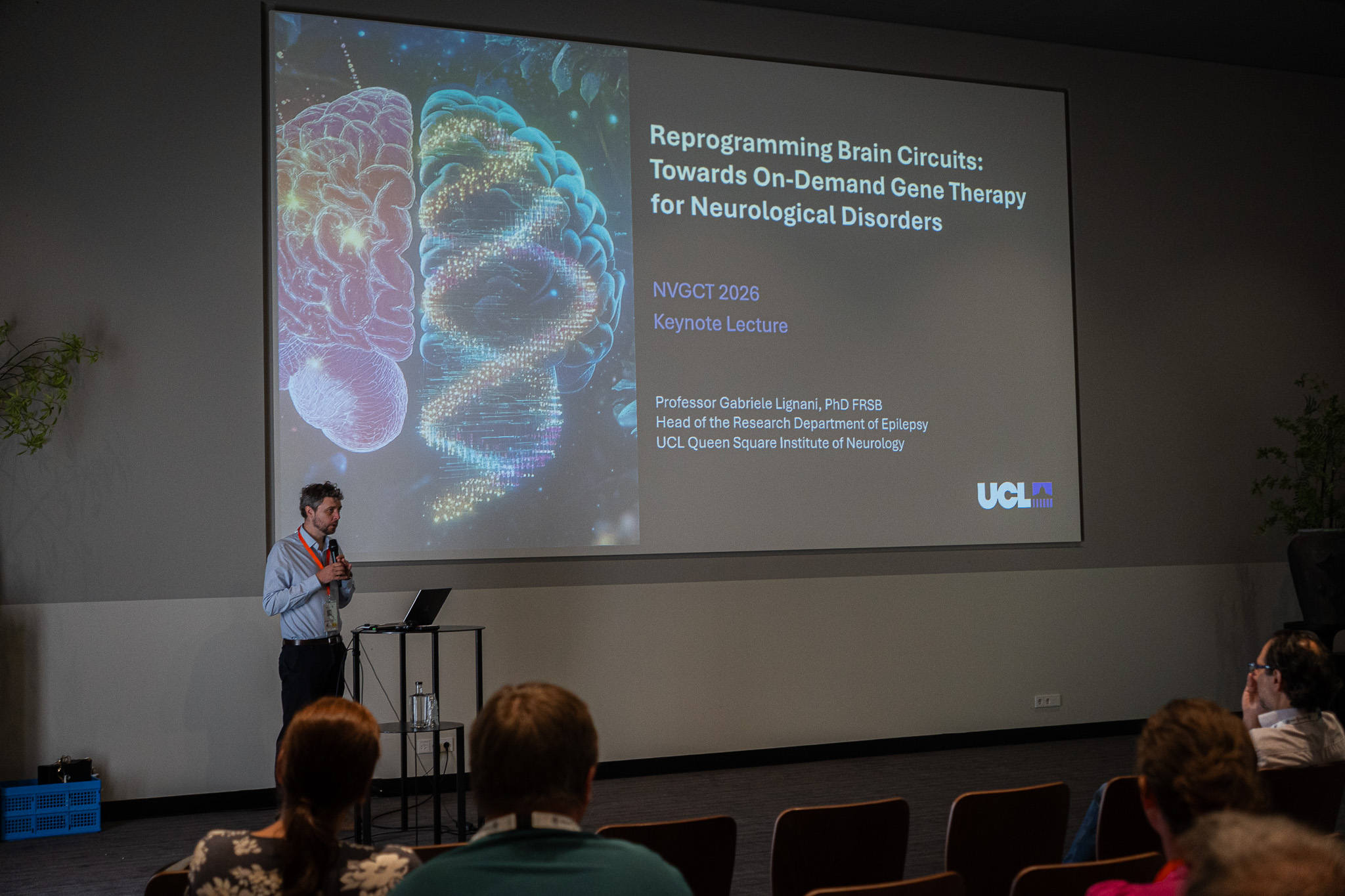
The second day of the NVGCT Annual Conference started with the announcement of the finalists for the ZonMw Young Investigator SpeedDate Challenge. This year, the selection committee faced a difficult decision and selected all four submitted teams to advance to the final pitch session later in the day. The morning scientific program then opened with a keynote lecture by Gabriele Lignani (University College London, UK), who presented innovative strategies for activity-dependent gene therapy to treat neurological disorders. His lecture showcased how gene therapies can be engineered to respond dynamically to neuronal activity, offering a promising approach for precision treatment of conditions such as epilepsy while preserving normal brain function.
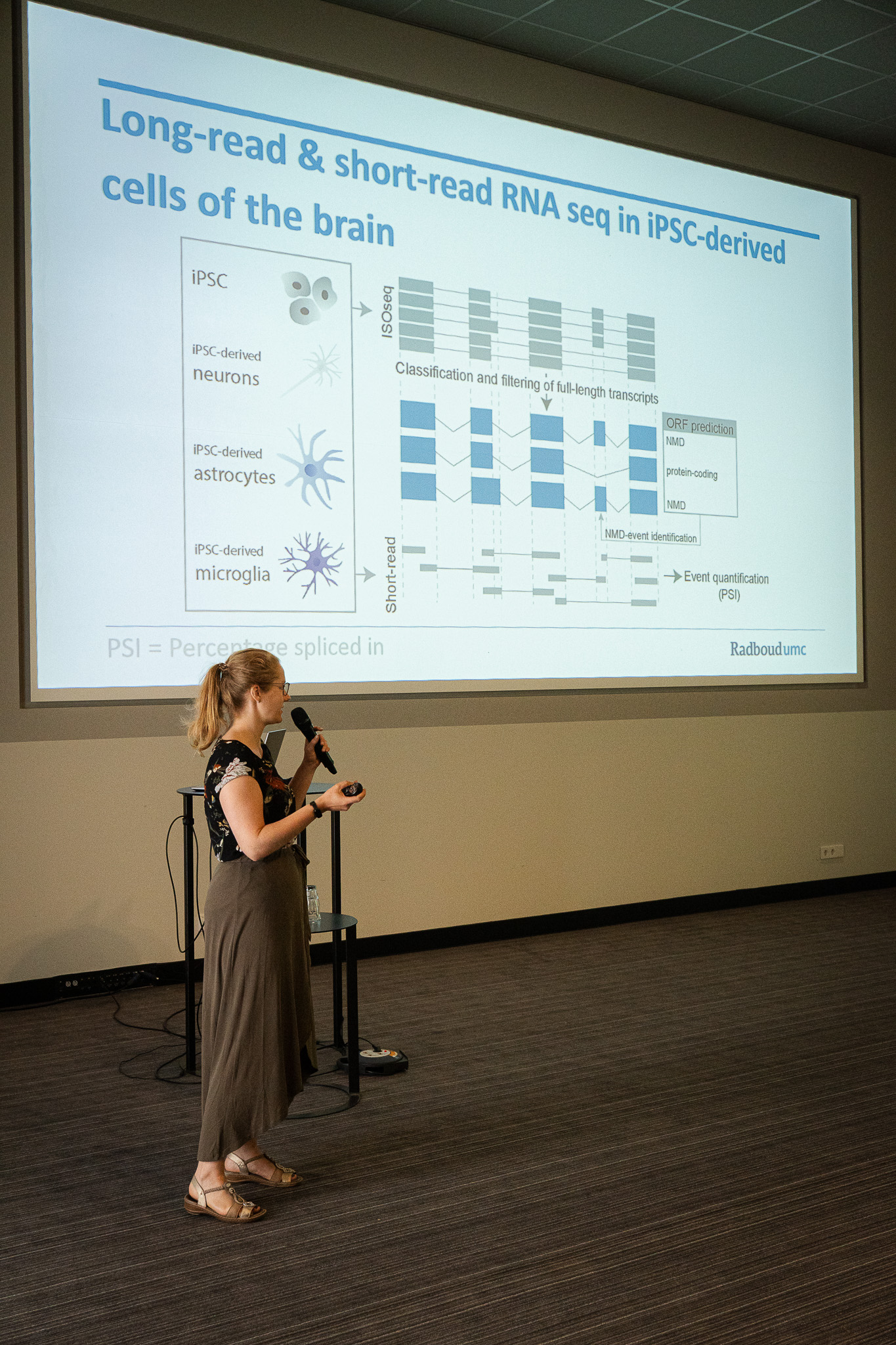
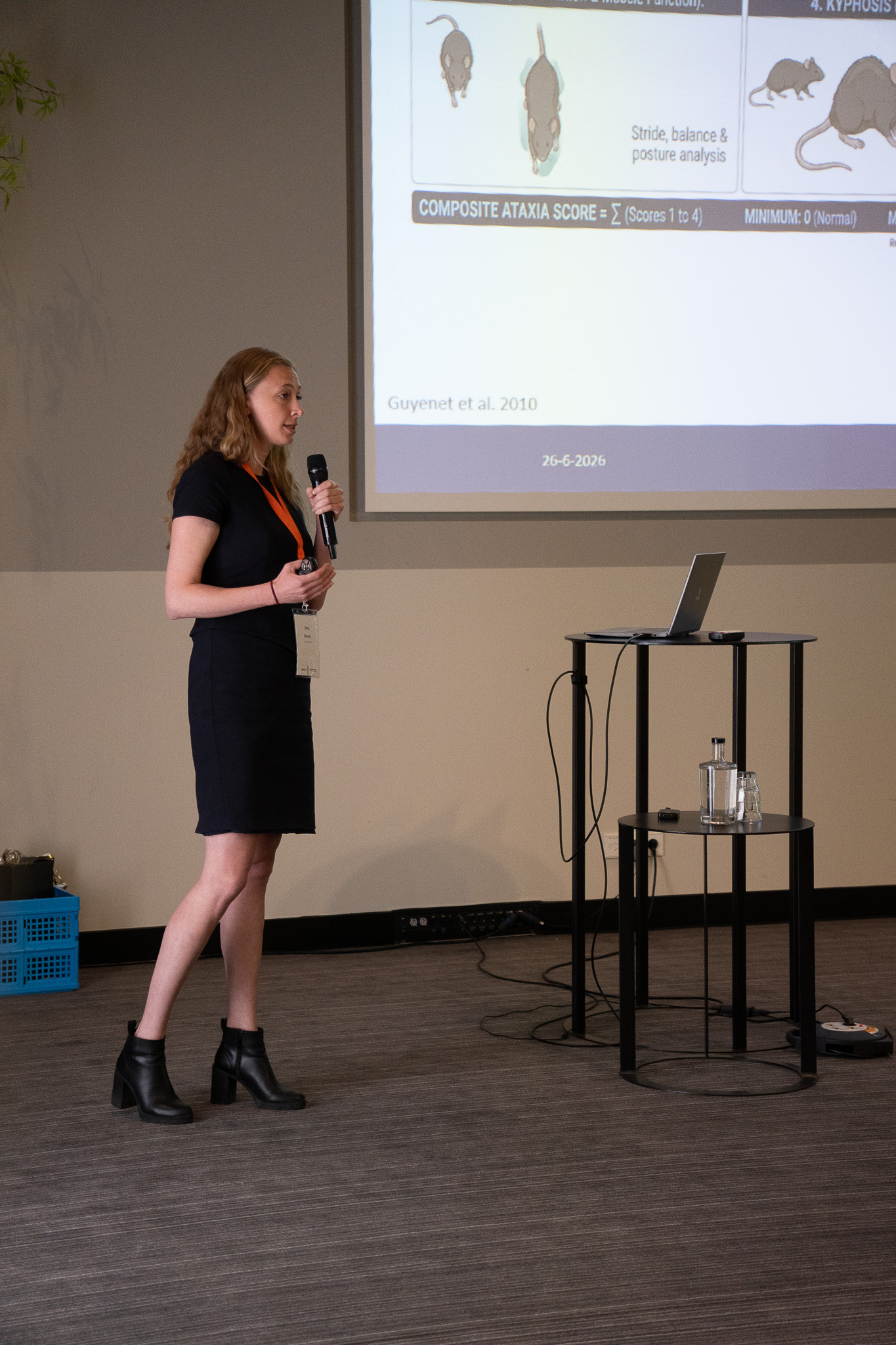
The third scientific session, chaired by Annelot van Esbroeck, focused on Neuro & Metabolic disorders. Kimberly Pietersz (Netherlands Institute for Neuroscience) presented the development of an AAV-based gene therapy targeting the catecholaminergic system in Parkinson’s disease through vectorized antibody delivery. Kim Wijnant (Radboudumc) followed with an overview of alternative splicing in iPSC-derived brain cells as a valuable resource for the development of antisense oligonucleotide therapies for neurodevelopmental disorders. The session concluded with Ilma Revers (Amsterdam UMC), who presented encouraging preclinical results demonstrating that brain-directed AAV gene therapy successfully rescued a mouse model of vanishing white matter disease, highlighting the potential of CNS-targeted gene therapies for severe neurodegenerative disorders.
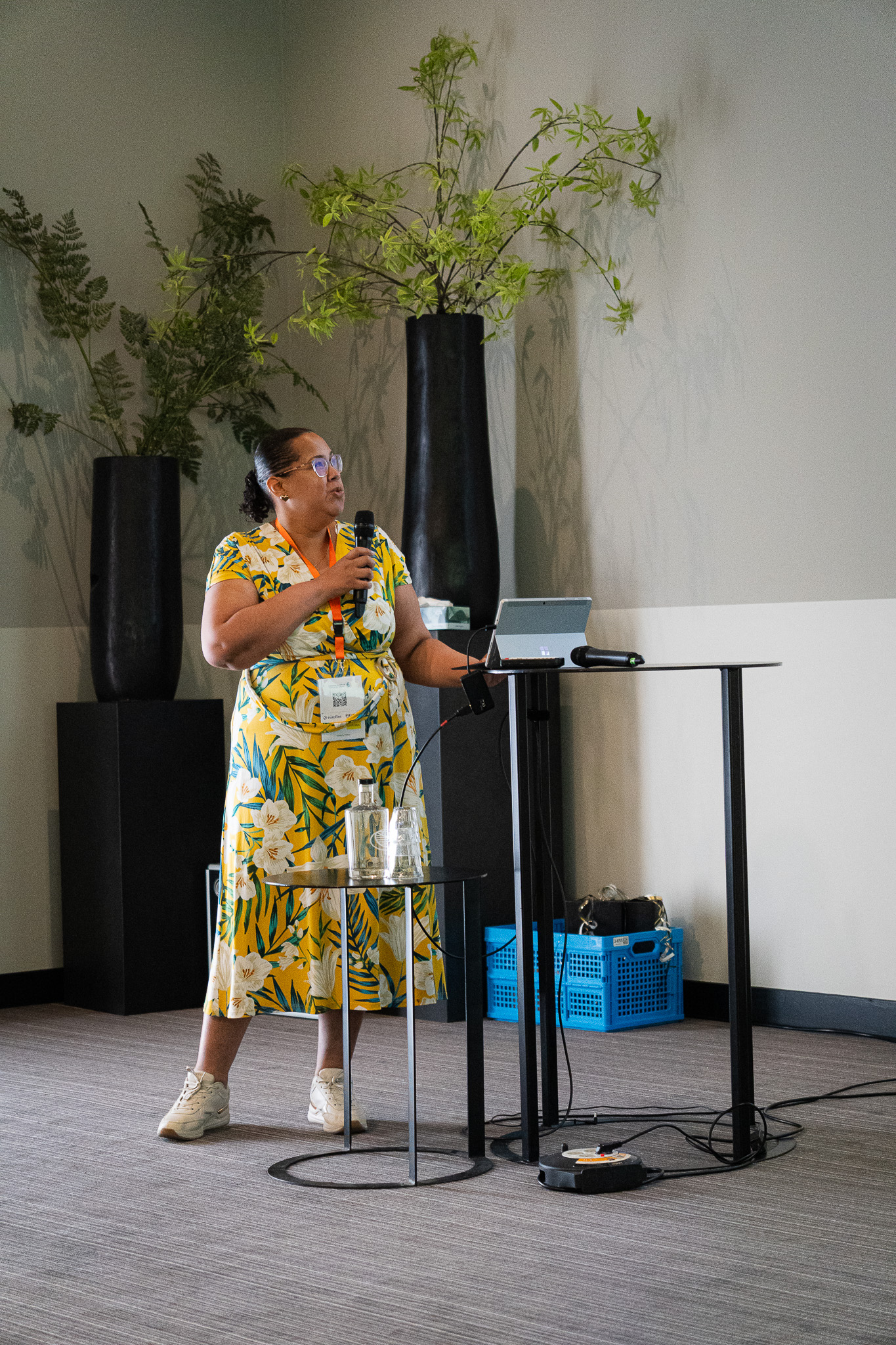
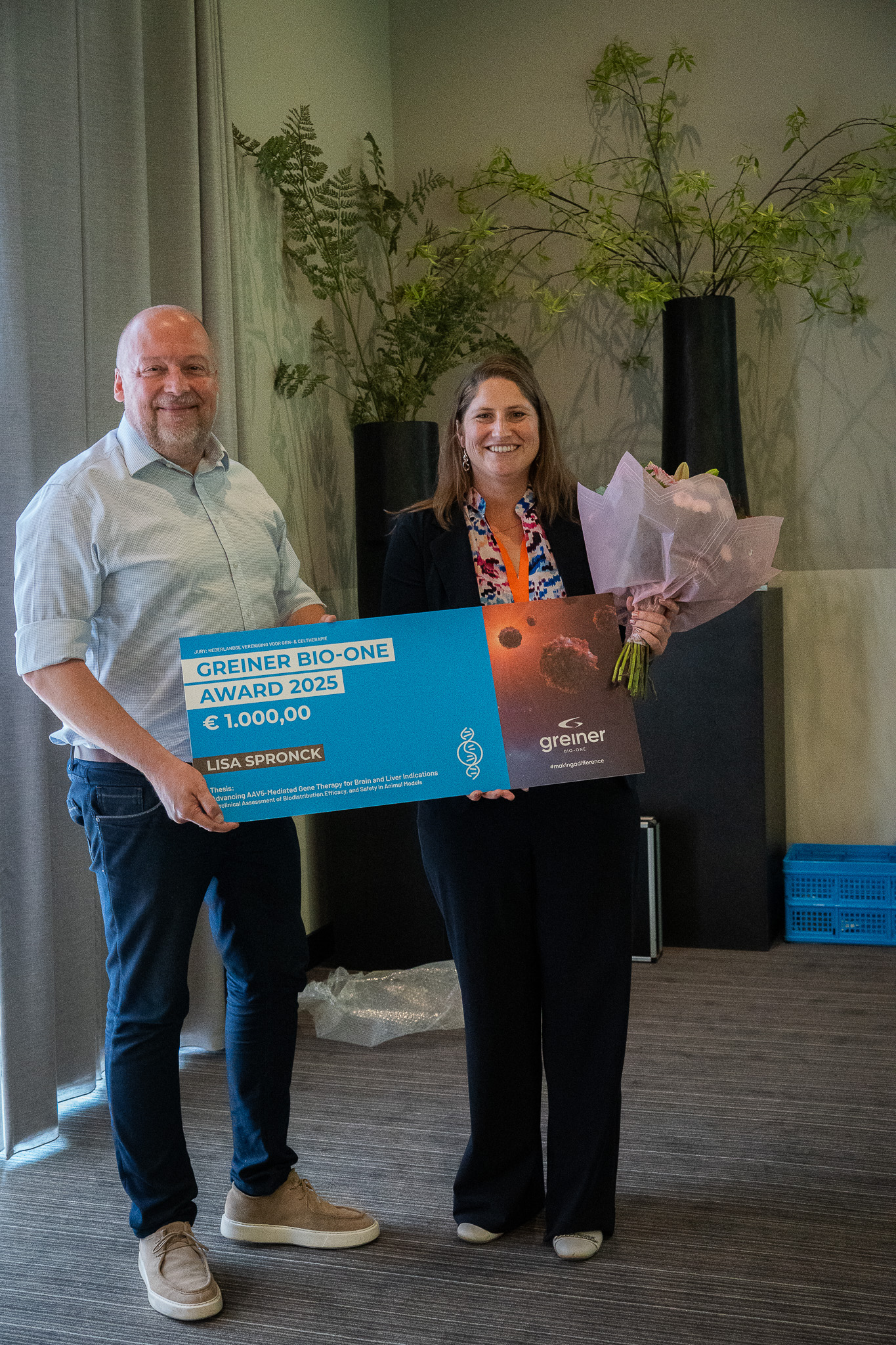
After the first coffee break, the award for the Best Thesis on Gene and Cell Therapy in the Netherlands in 2025 was handed out, kindly sponsored by Greiner Bio-One. This year’s winner was Lisa Spronck from UniQure, whose work nicely illustrated how industry and academia can synergize. Her studies focused on the non-clinical assessment of gene therapy using AAV5 in three disease contexts: Hemophilia B, Fabry disease, and Huntington’s disease.
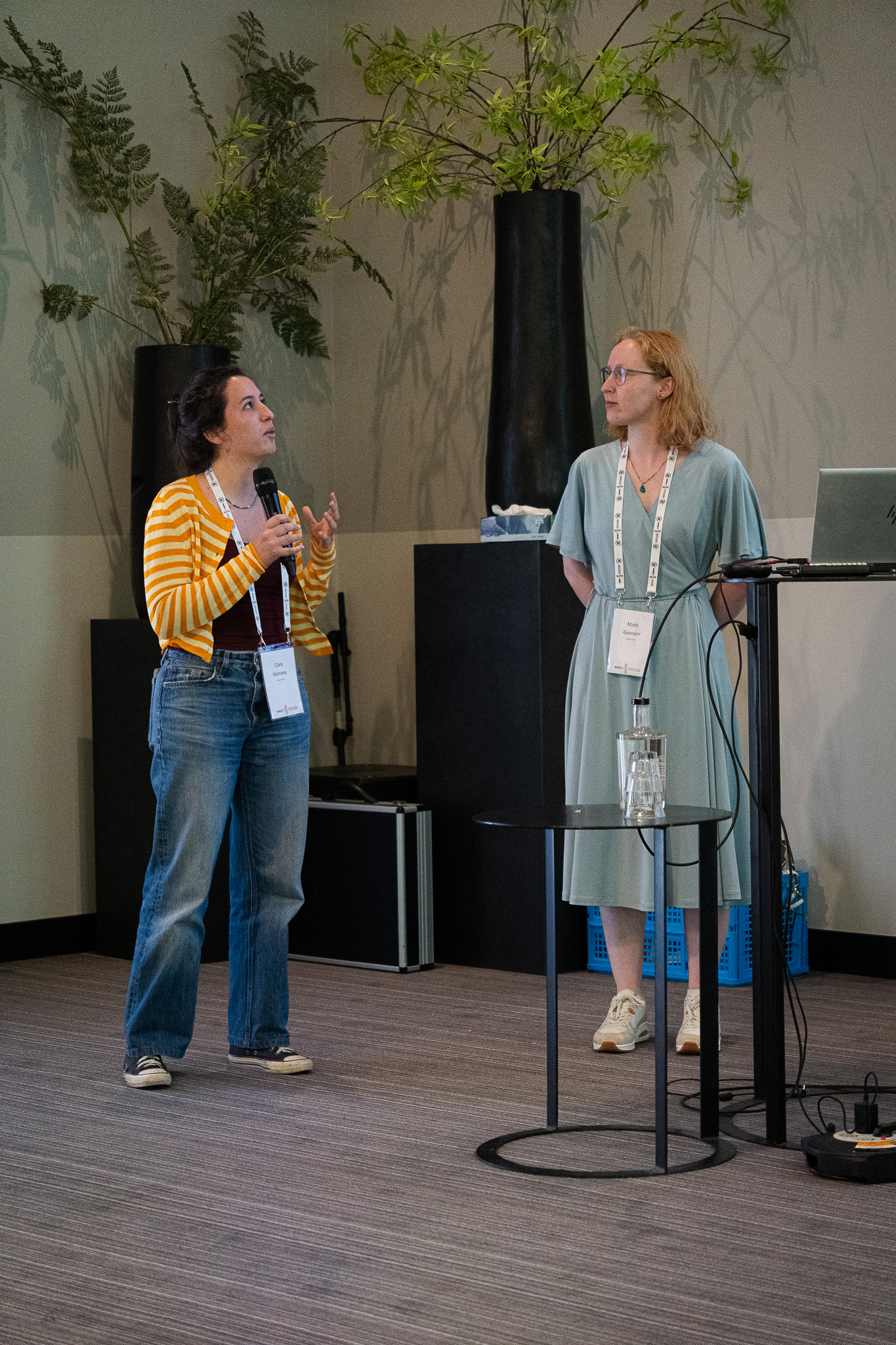
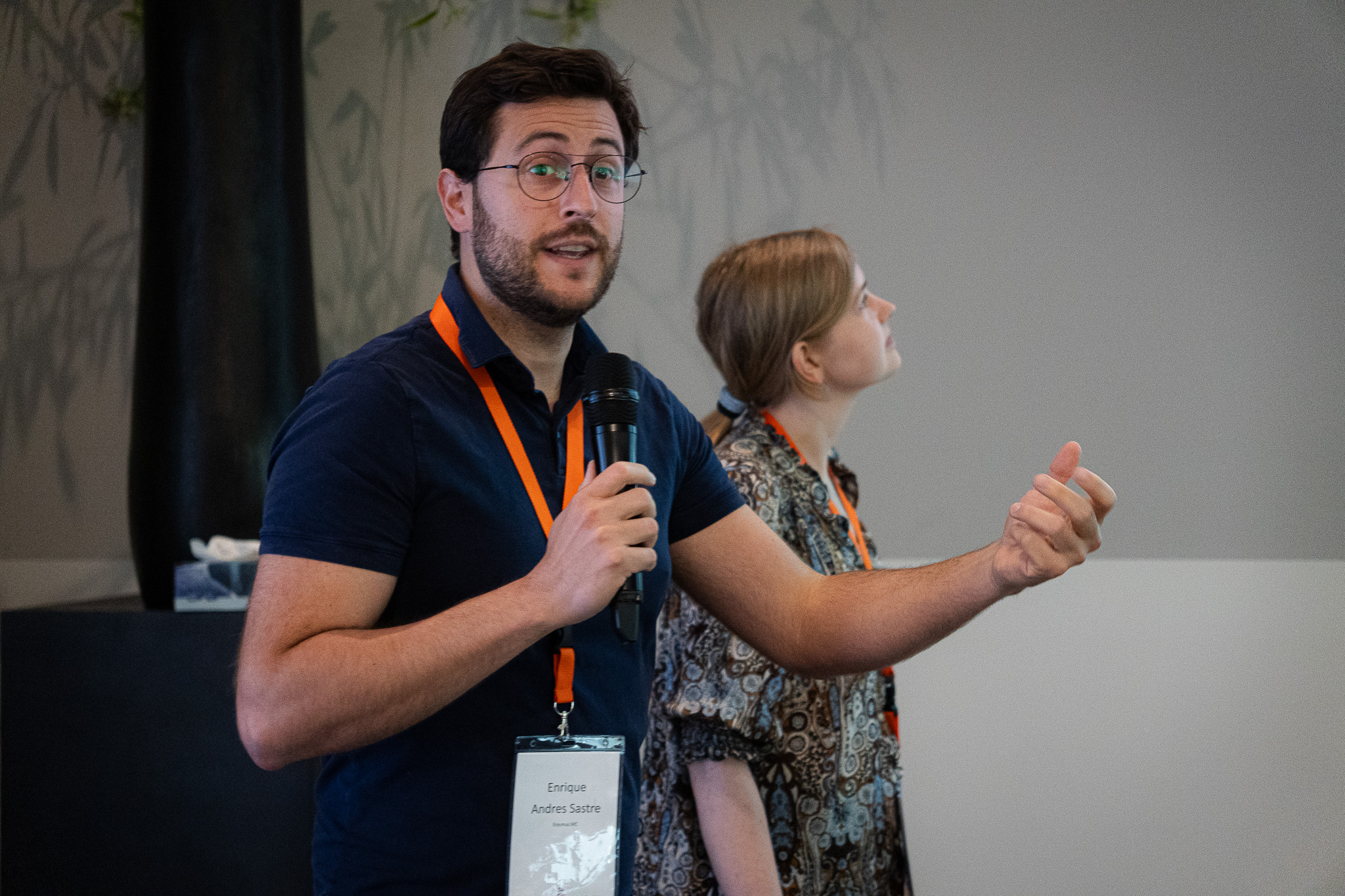
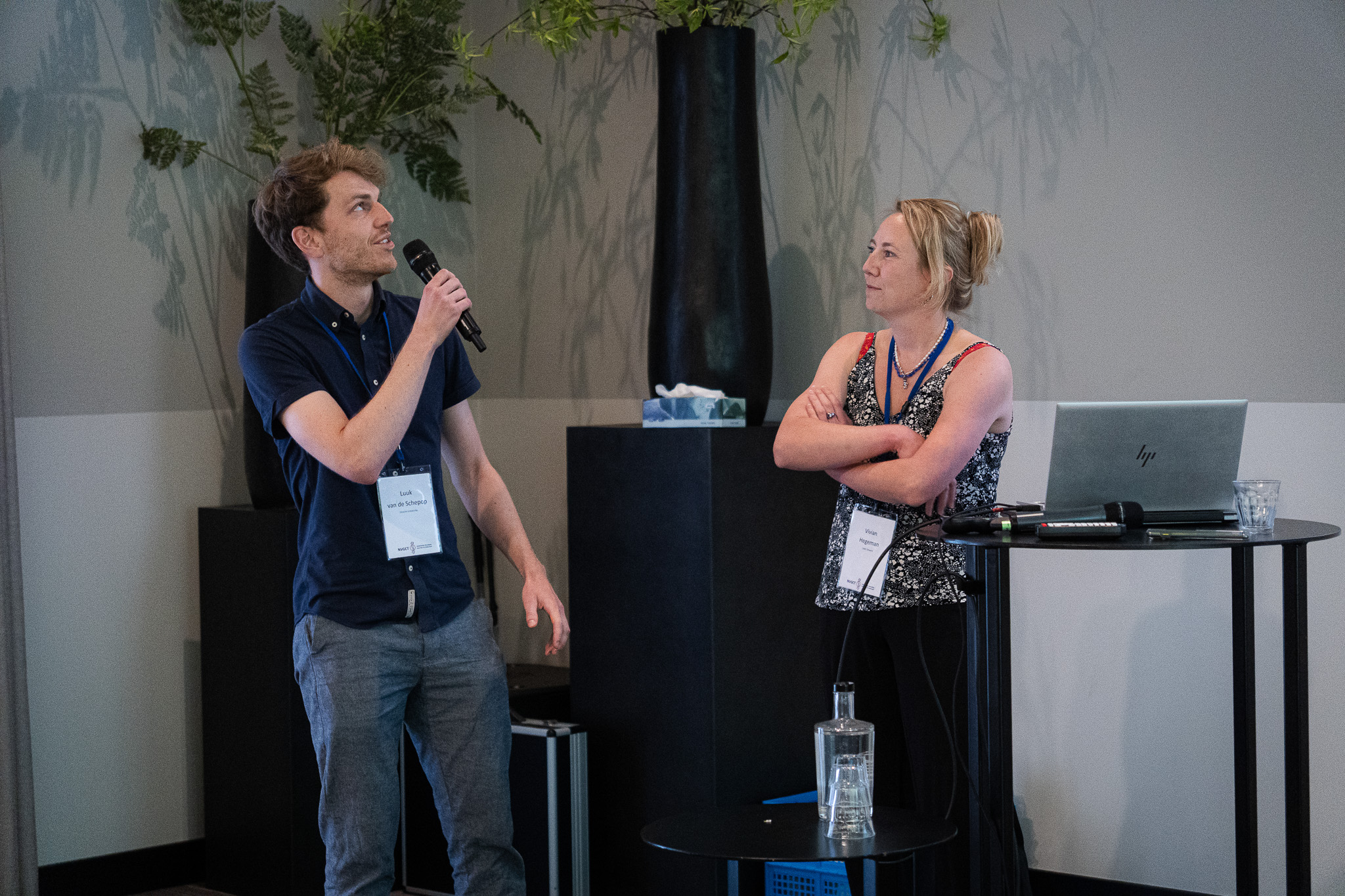
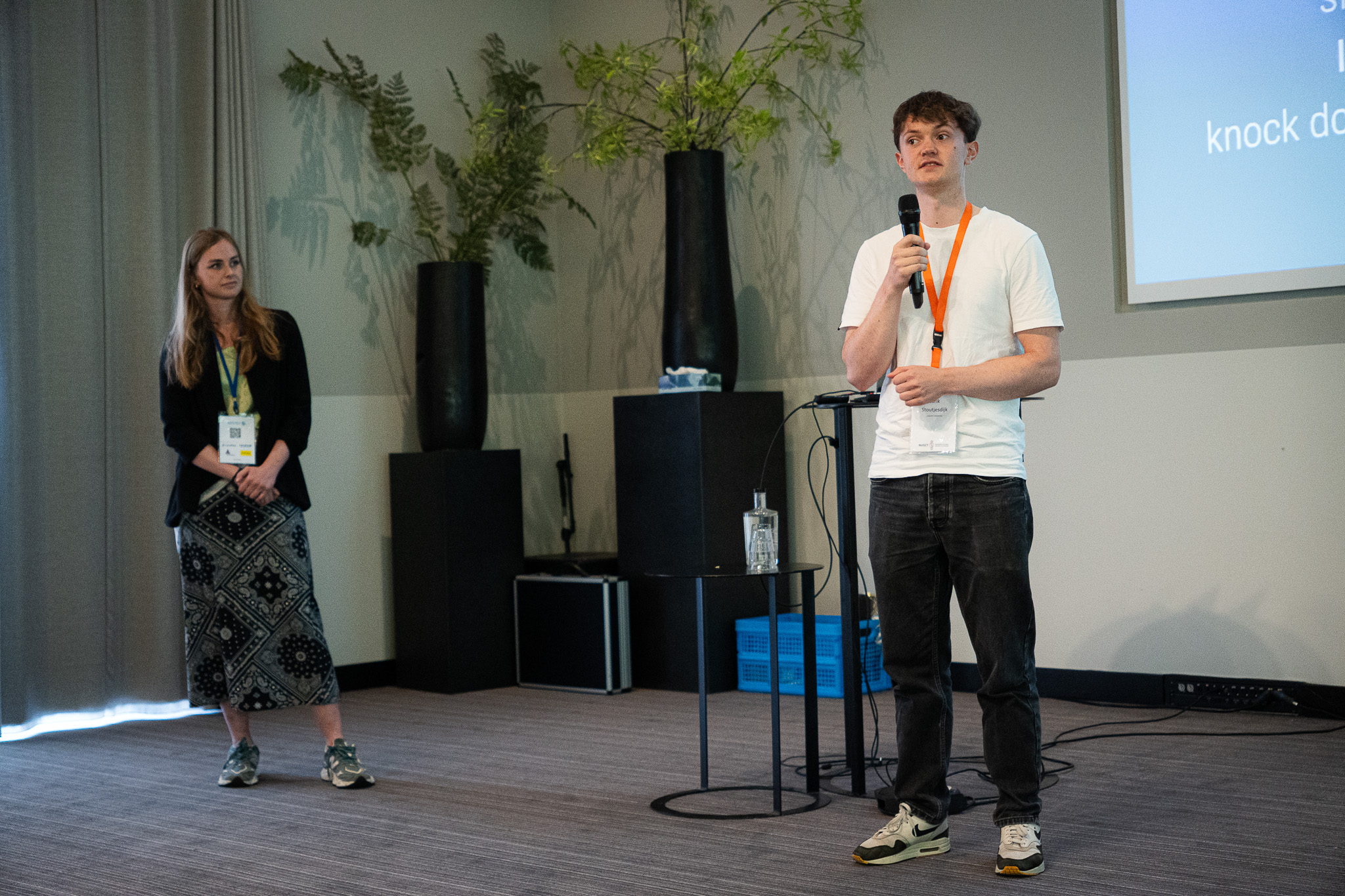
Here after, four Early-Career speed date couples pitched the research proposals they drafted during the past (half a) day: Marit Goossen (LUMC) and Clara Alemany (Erasmus MC); Brigitte Bais (ExoVectory) and Jarik Stoutjesdijk (UMC Utrecht); Vivian Hegeman (Utrecht University) and Luuk van de Schepop (UMC Utrecht); Angelique Versteegen (LUMC) and Enrique Andres Sastre (Erasmus MC).
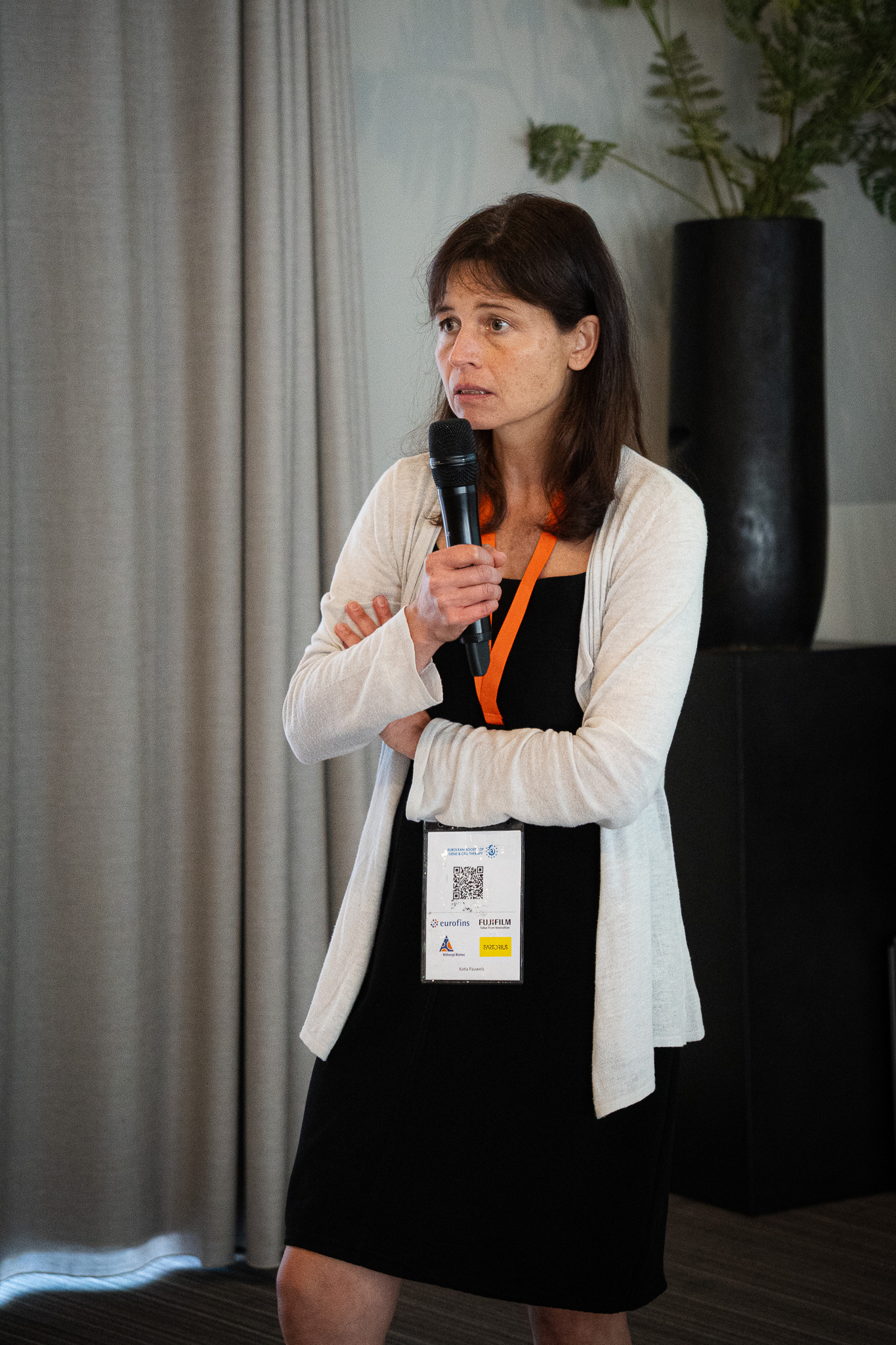
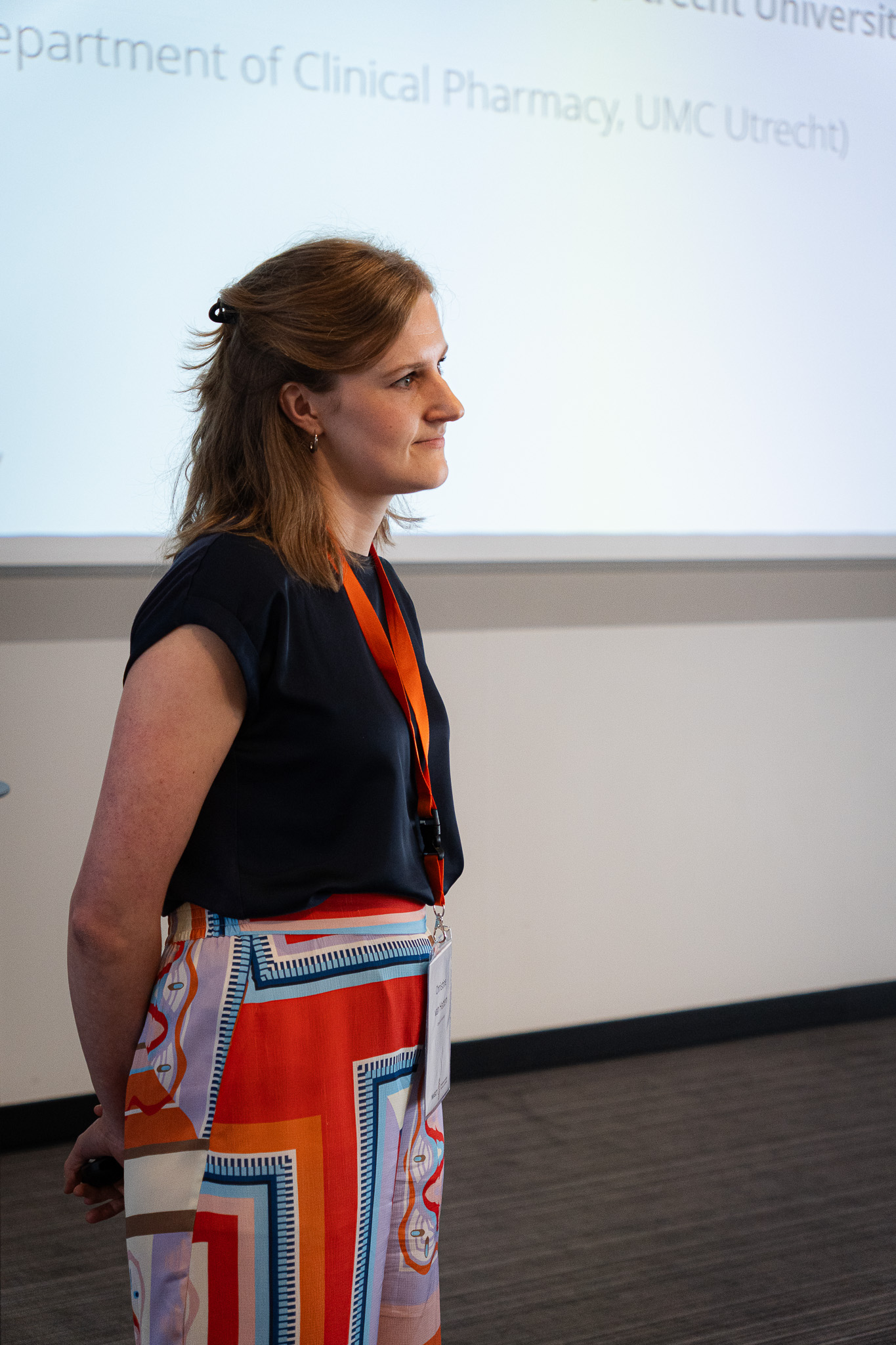
Following lunch, a session followed on regulatory aspects of cell and gene therapies. First speaker was Katia Pauwels from Sciensano, who spoke about a study into potential unintended germline modification during in vivo gene therapy. Next up was Christine van Hattem, presenting about the, still quite limited, use of the European Hospital Exemption Pathway in the Netherlands for gene and cell therapies.
Next, the conference hosted a talk by Stefan Gaillard (Journal of Trial and Error) about the importance of publishing negative data. He comprehensible explained how we should handle failure and why it is beneficial to publish ‘failed experiments’.
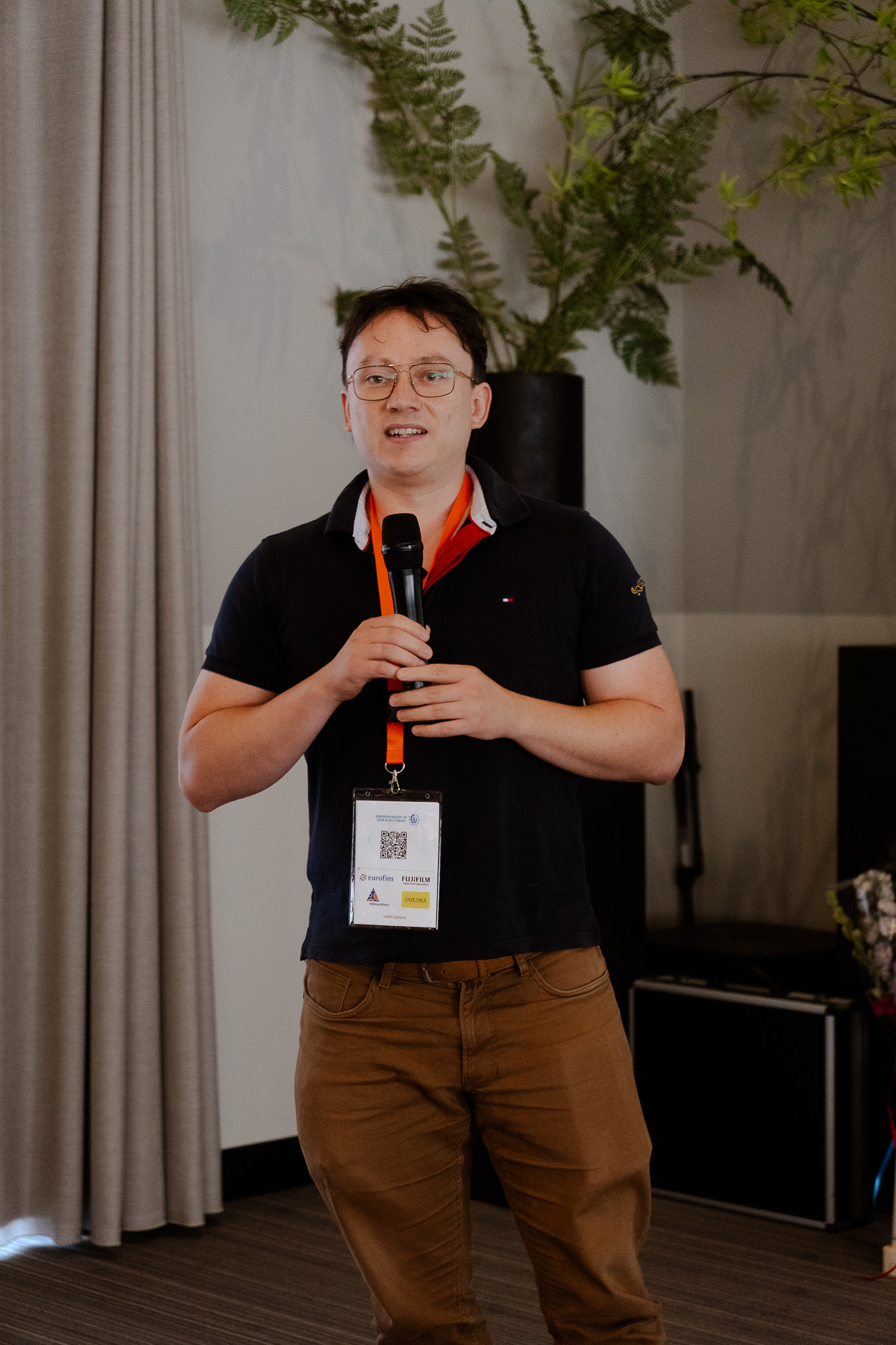
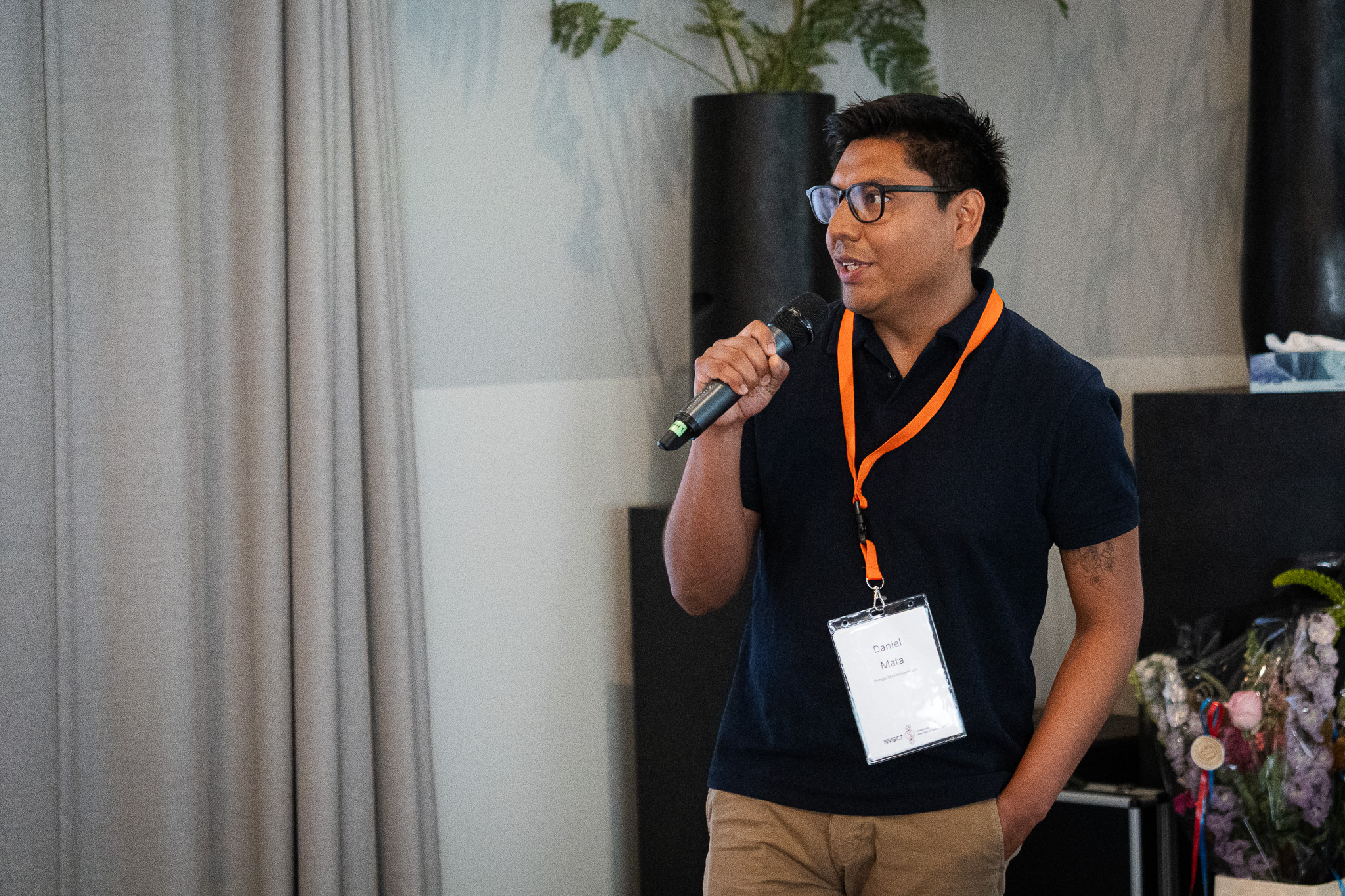
After another coffee break, a session on Gene Therapy in Oncology featured talks on lipid nanoparticle, bacterial, and viral platforms for oncological applications from Daniel Mata (Prinses Maxima Center), Jella van de Laak (Maastricht University), Jaime Bimbo (NanoCell), and Tereza Brachtlova (ORCA/Amsterdam UMC).
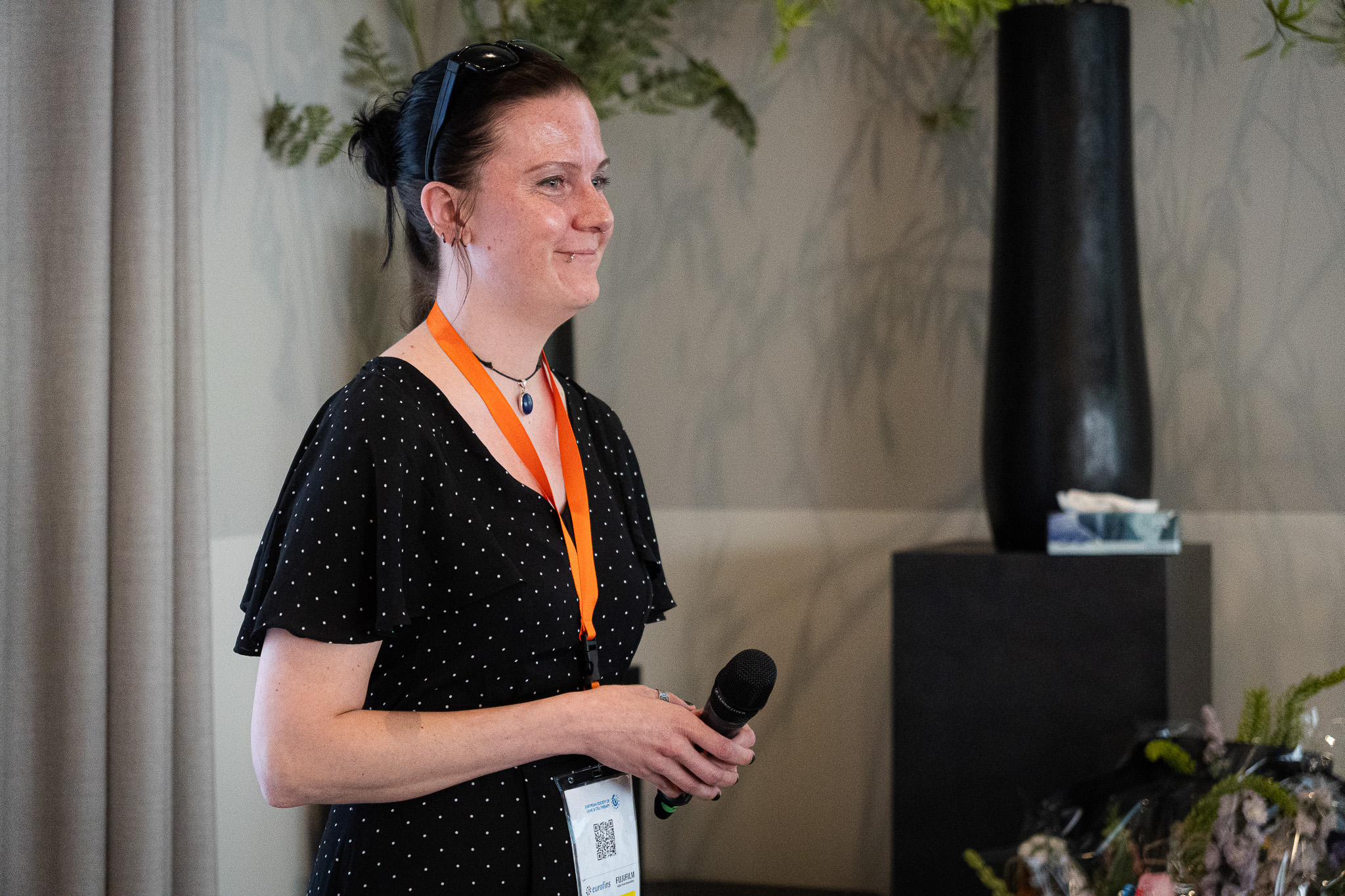
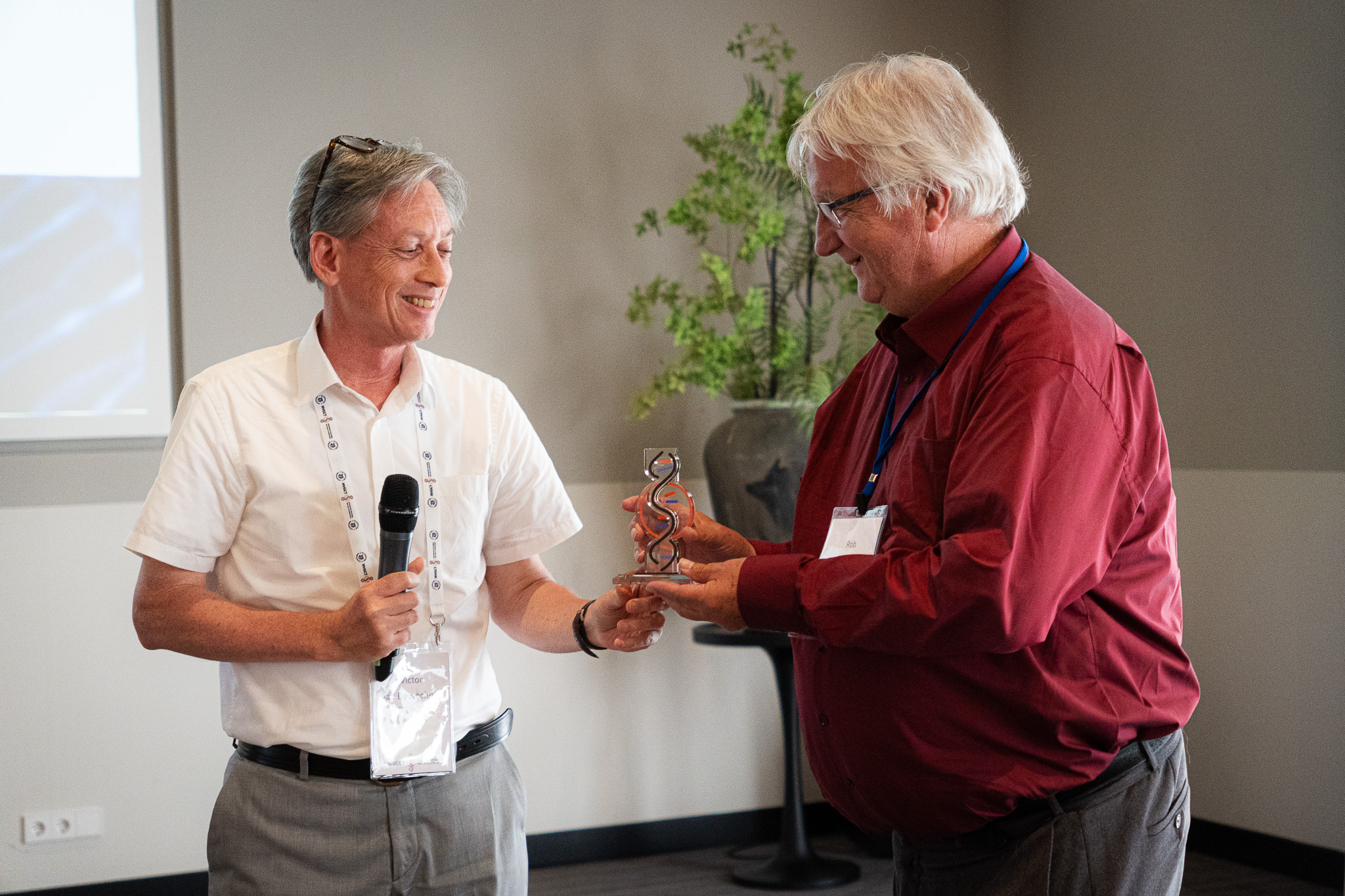
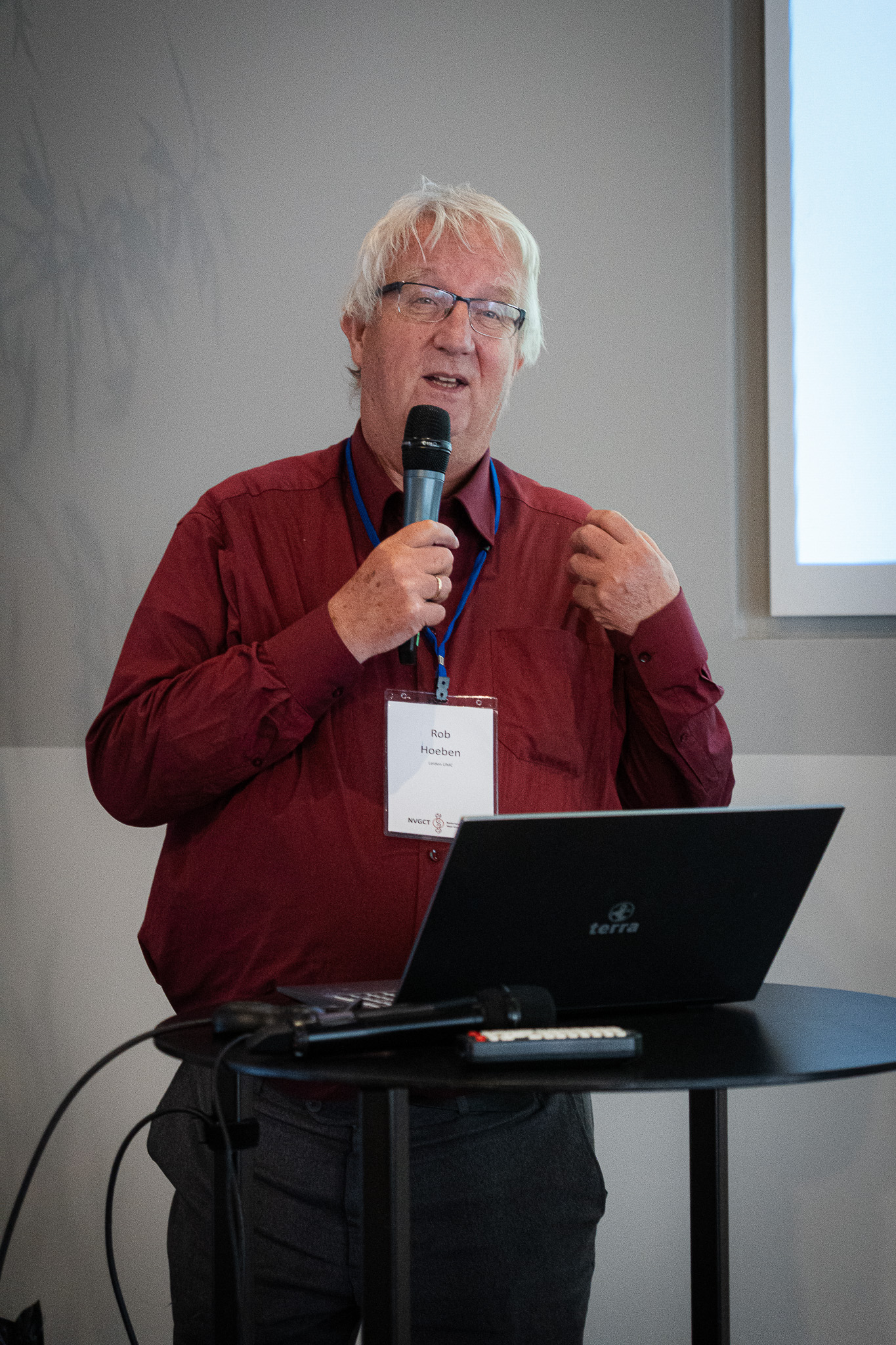
Finally, it was time to distribute some awards! First of all, this year’s NVGCT Outstanding Achievement Award was handed out to Prof. dr. Rob Hoeben for his key contributions to replication-competent and -defective viral vector platforms. He highlighted part of his work in a lecture, infecting the audience with his enthusiasm and fascination for viruses.
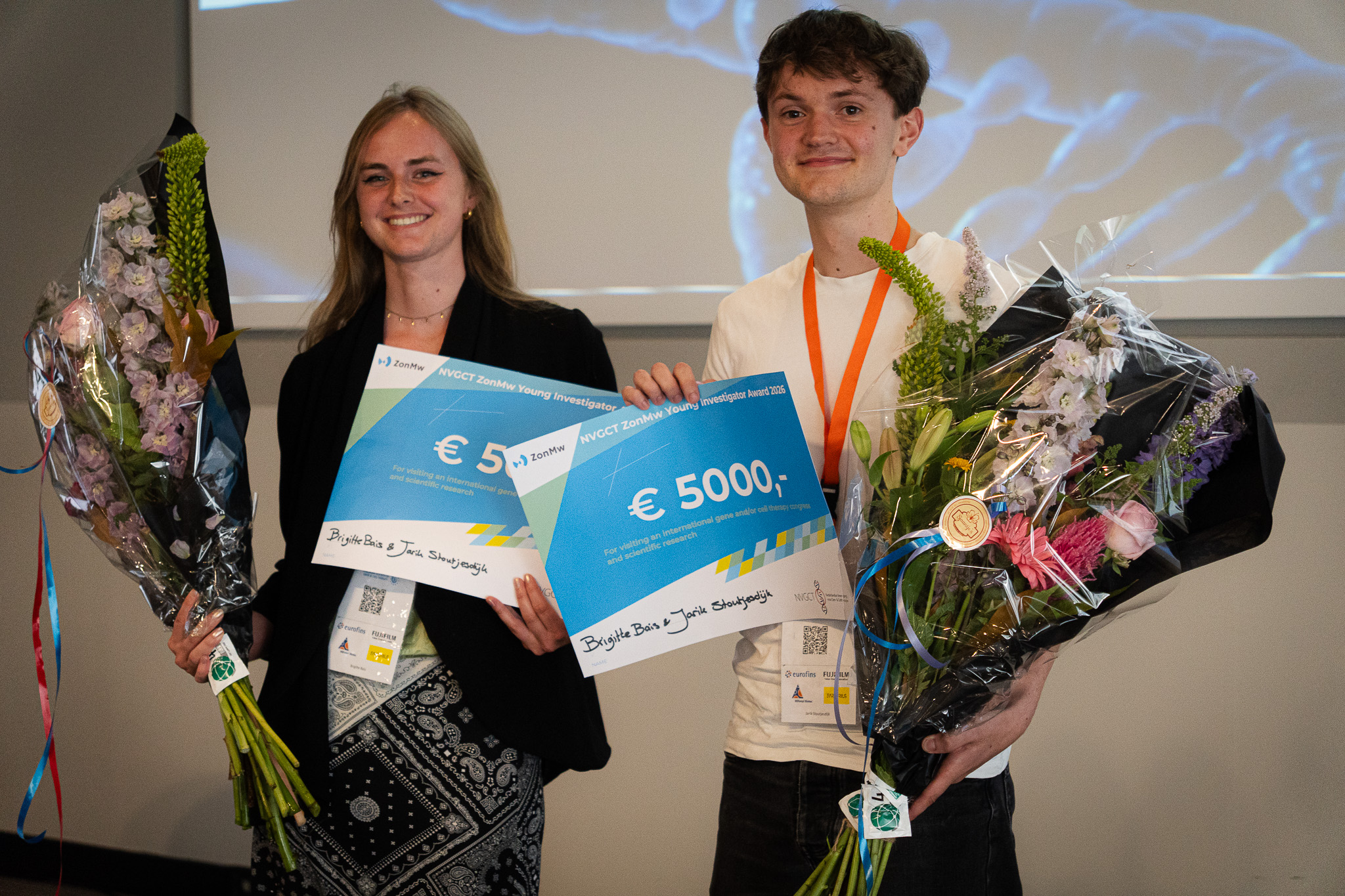
Afterwards, the best oral and poster presentation awards were handed out to Maaike Lenderink (UMC Utrecht) and Clara Alemany (Erasmus MC), respectively. Finally, the early-career matchmaking award was won by Brigitte Bais (ExoVectory/LUMC) and Jarik Stoutjesdijk (Utrecht University).
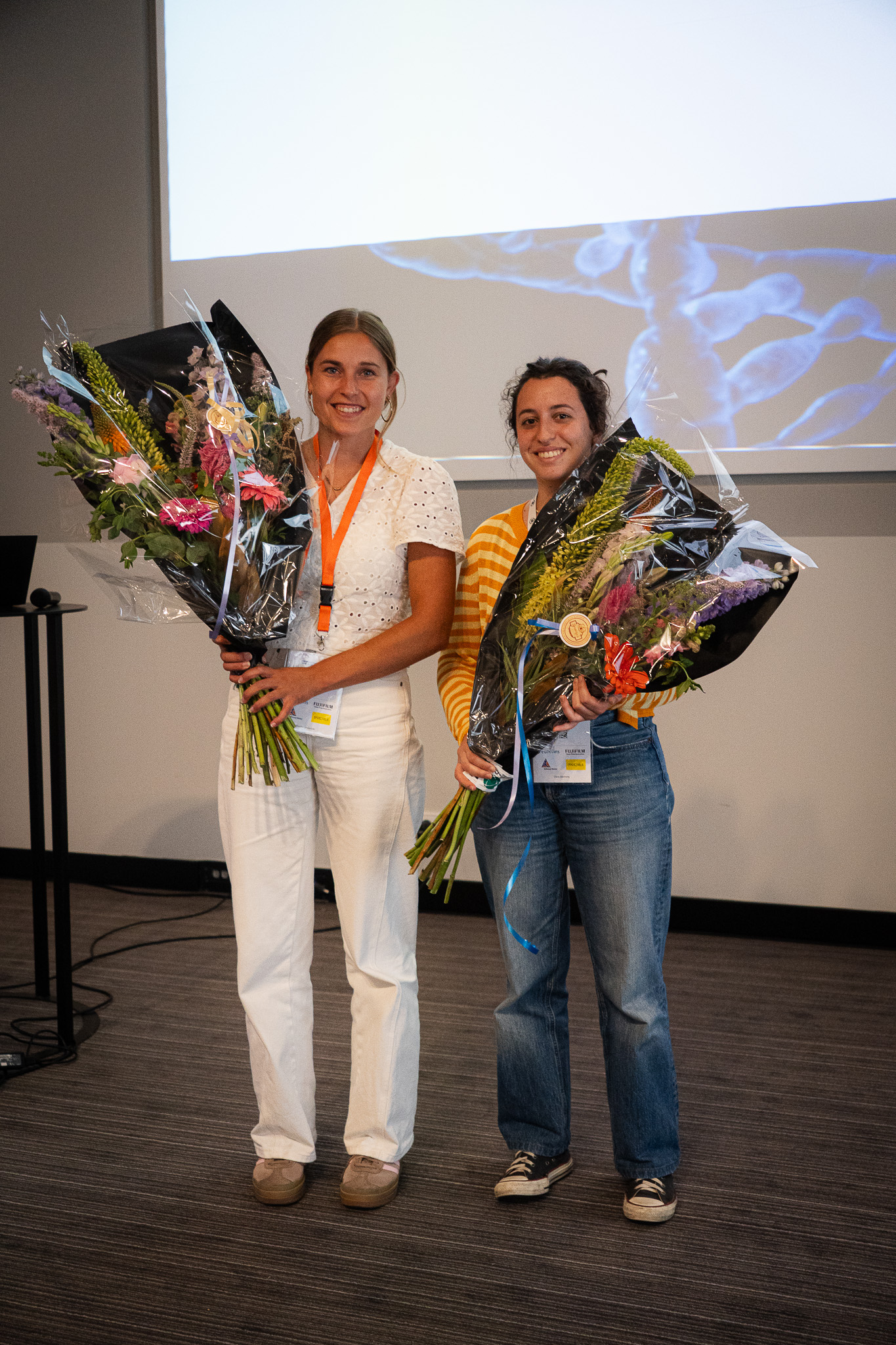
Upon congratulating all award winners and a few concluding remarks, the NVGCT Annual Conference 2026 ended. We look back at a great event and thank all attendees, speakers, and sponsors. We hope to see you again next year!